
Get a Quote
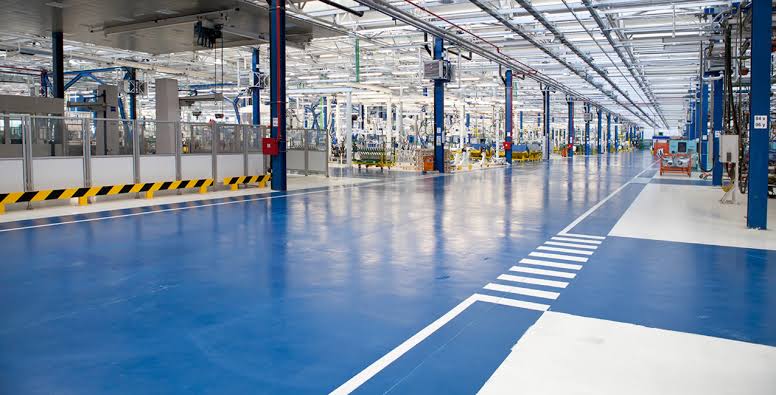
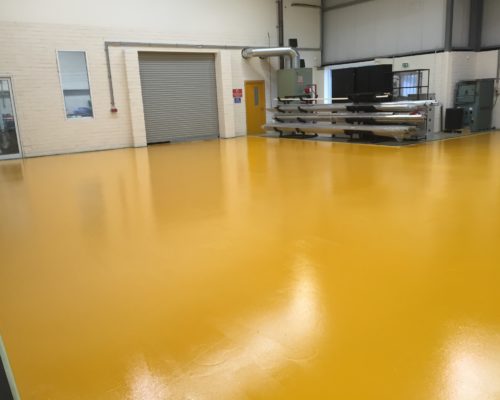
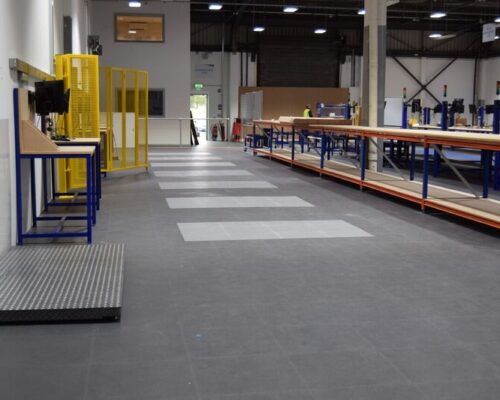
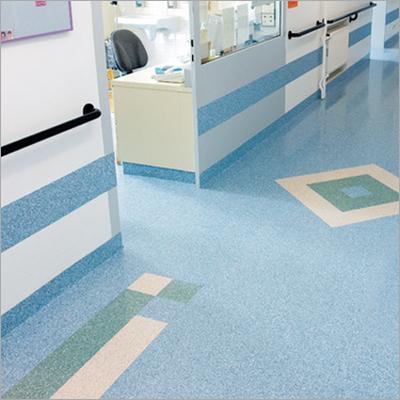
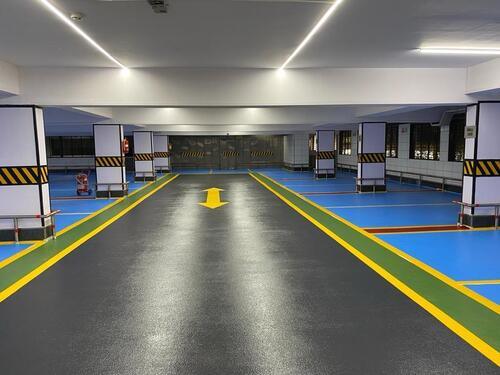
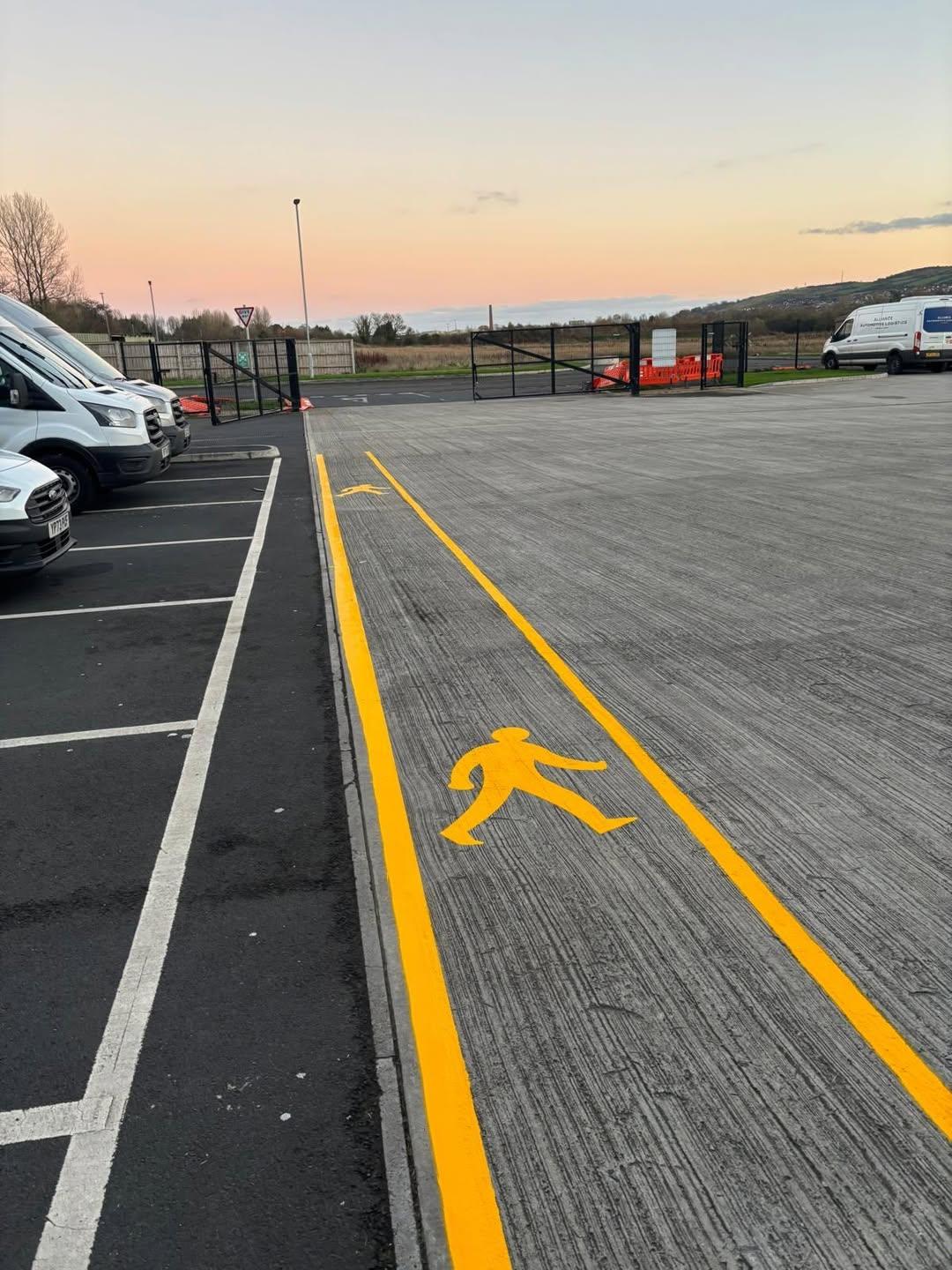
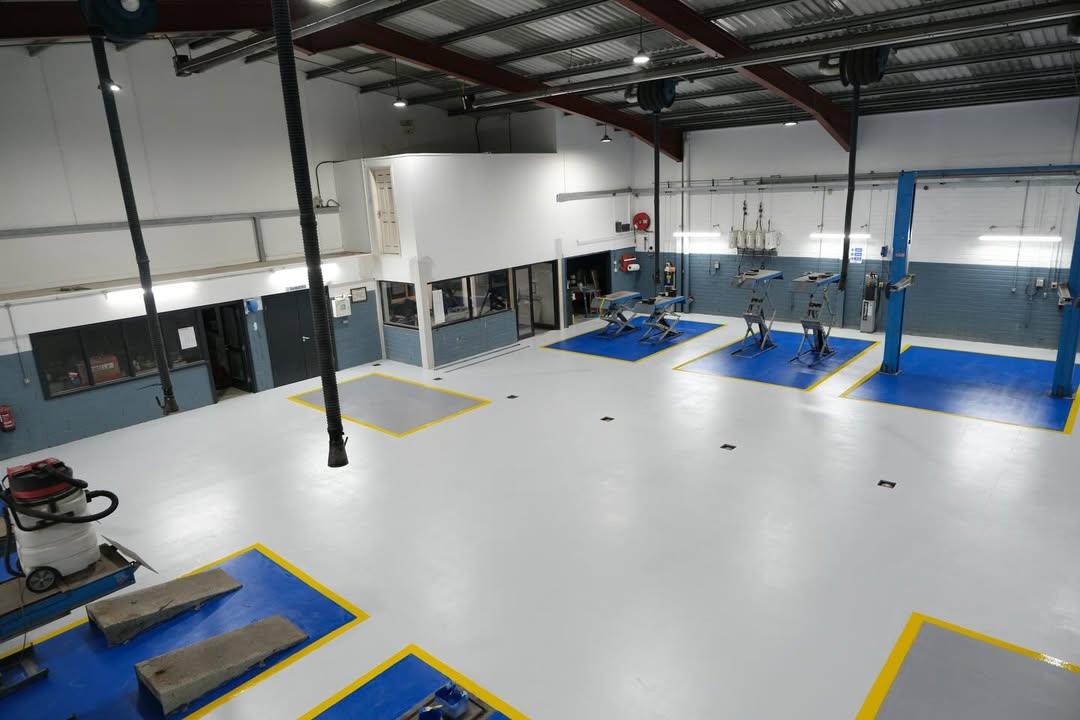
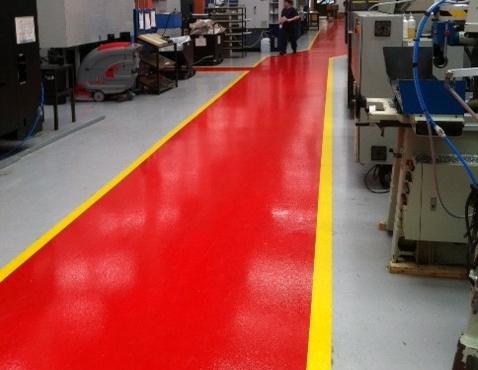
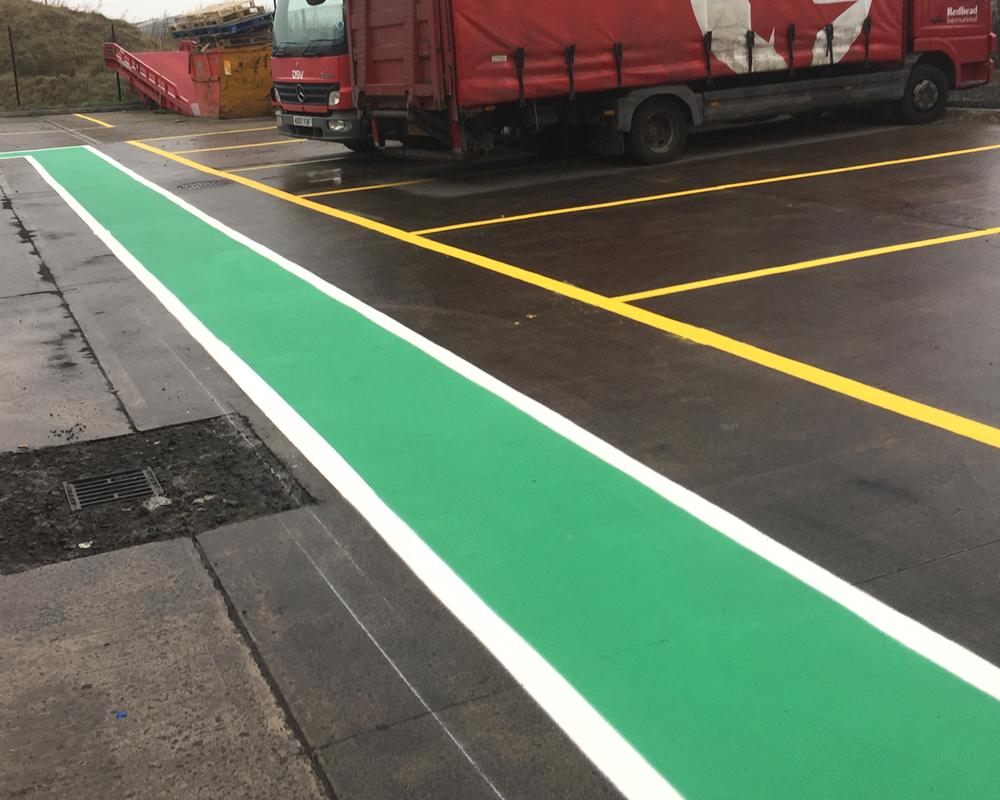

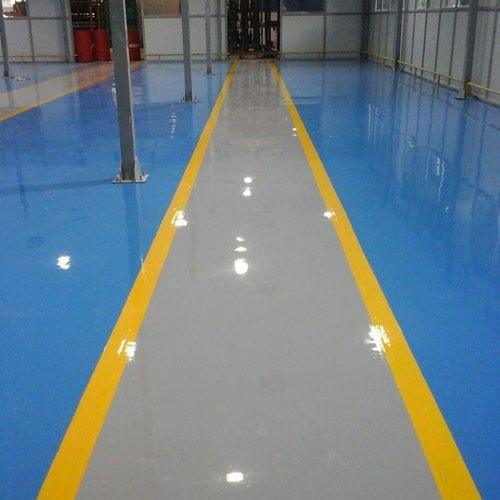
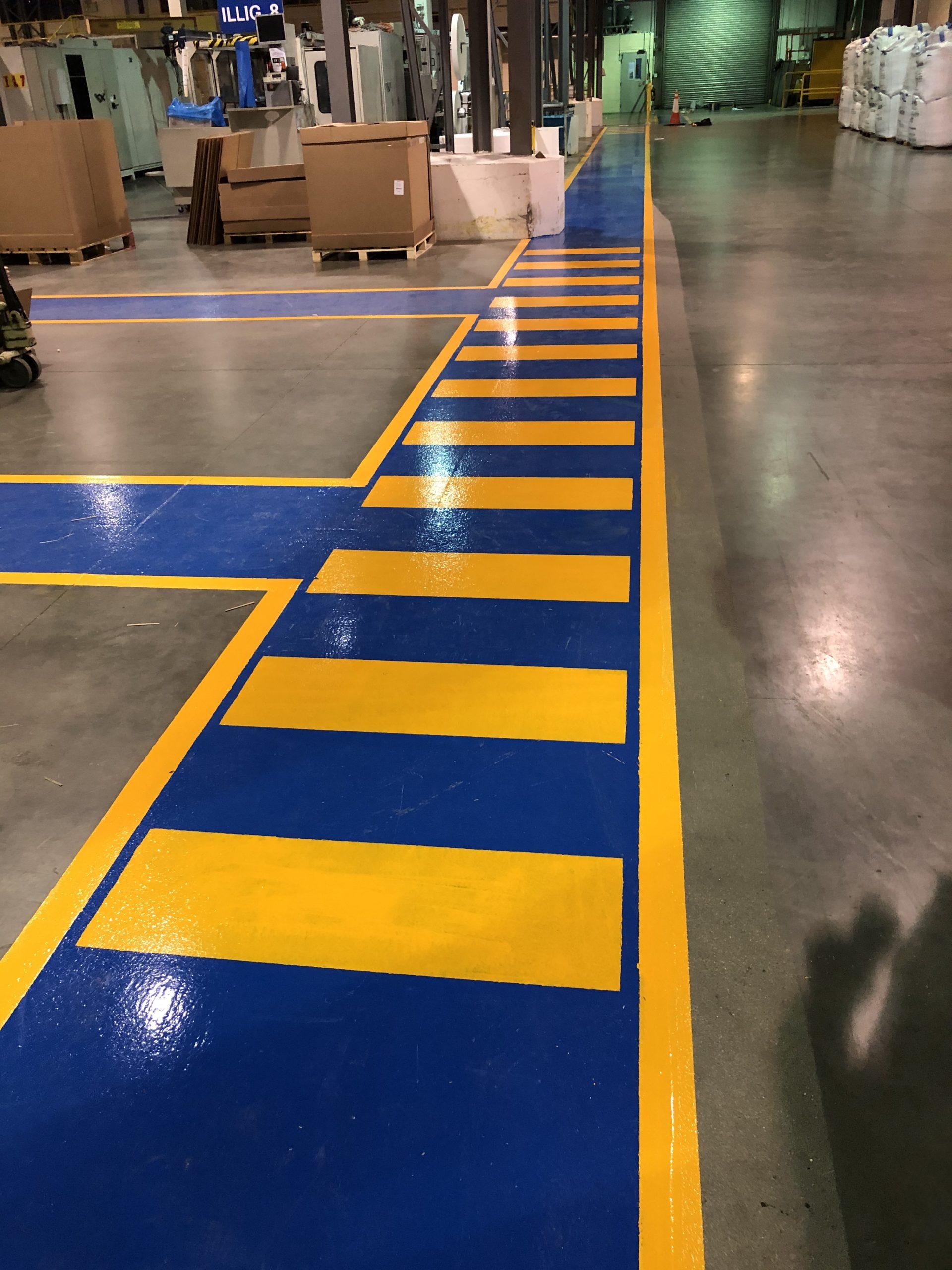
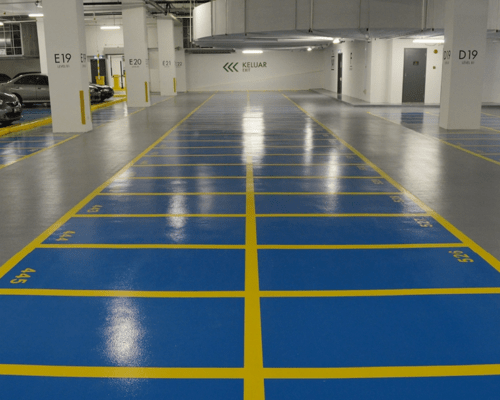
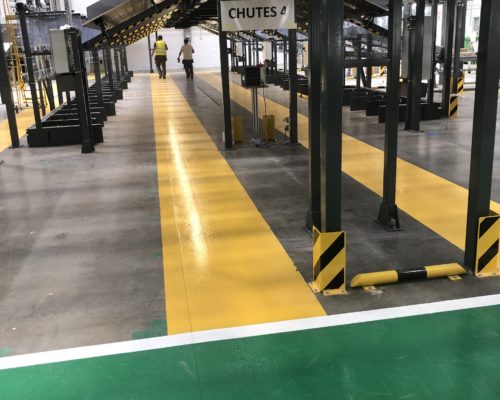
Safety line marking in the Midlands only works if the layout matches how your site genuinely operates. That sounds obvious. Yet we walk into warehouses every month where a pedestrian walkway runs neatly along one wall while everybody cuts diagonally across the floor to reach the canteen, because the marked route adds ninety seconds to every trip. The lines are perfect. The paint is fresh. And they’re achieving nothing at all, because a route people won’t use is a route that protects nobody — and it looks considerably worse in an investigation than having no marking, since you’ve documented the safe path and demonstrated it’s being ignored.
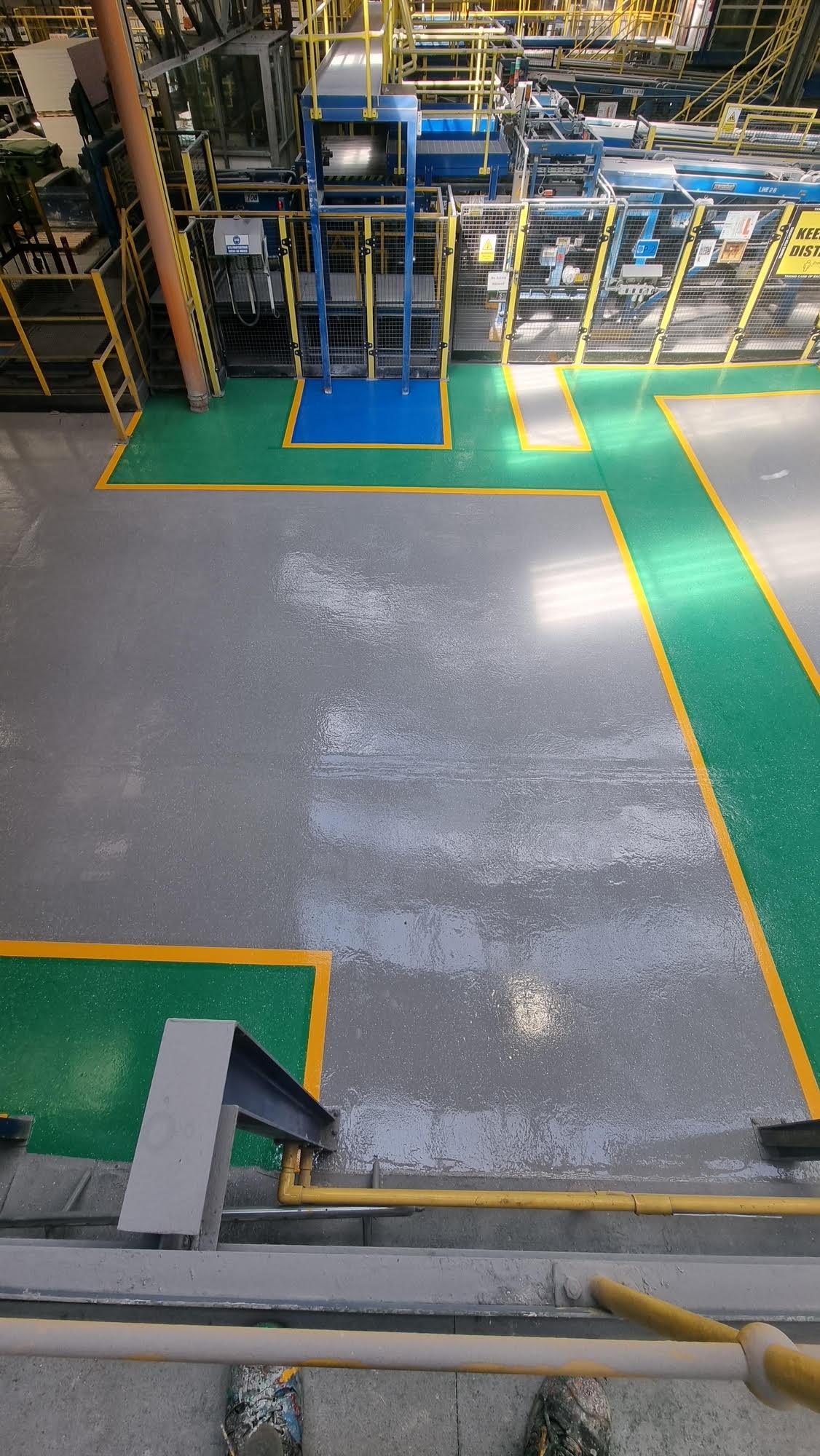
So we start by watching what happens on your floor. Ron walks the site during operating hours, notes the desire lines people actually take, and sets out a layout built around real movement rather than an idealised plan drawn in an office. Then we mark it in a material that survives your traffic, because faded lines are simply the same failure arriving more slowly. Warehouses, production halls and depots across Westmeath, Offaly and Dublin have been laid out this way by our crew, and clients call us back whenever they re-rack — as our customer testimonials show.
Planning a new layout or facing an HSA inspection? Call Ron on 086 2631652 for a free site survey.
Consistency matters more than any specific scheme, but there are established conventions worth following.
The critical point is documenting your scheme and training people on it. A colour code that only the facilities manager understands is decoration, not a control.
Setting out is slow. Painting is quick. The proportion surprises people.
Ron walks the site while it’s operating. He watches pedestrian movement, forklift routes, crossing points and where the two conflict. He’ll also review your risk assessments, fire routes and any HSA correspondence, since those set requirements the layout has to meet. Where a re-rack or layout change is planned, we work from the new drawing rather than the existing floor. You get a written, itemised quote covering preparation, setting out, marking and any symbols separately.
Layouts are marked up on a drawing or chalked on the floor for you to walk before anything permanent goes down. This step prevents expensive changes. It’s far easier to move a chalk line than to grind a painted one off. We’ll flag where a proposed route conflicts with actual movement, because that conversation is worth having before the paint dries.
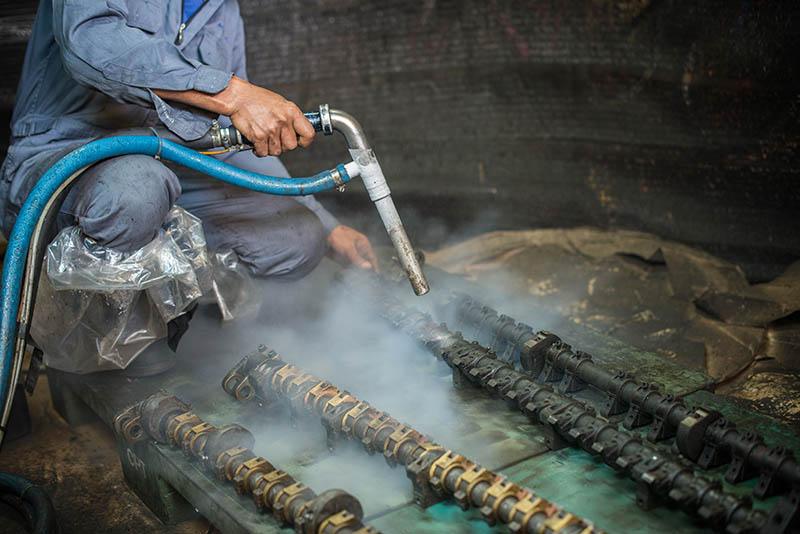
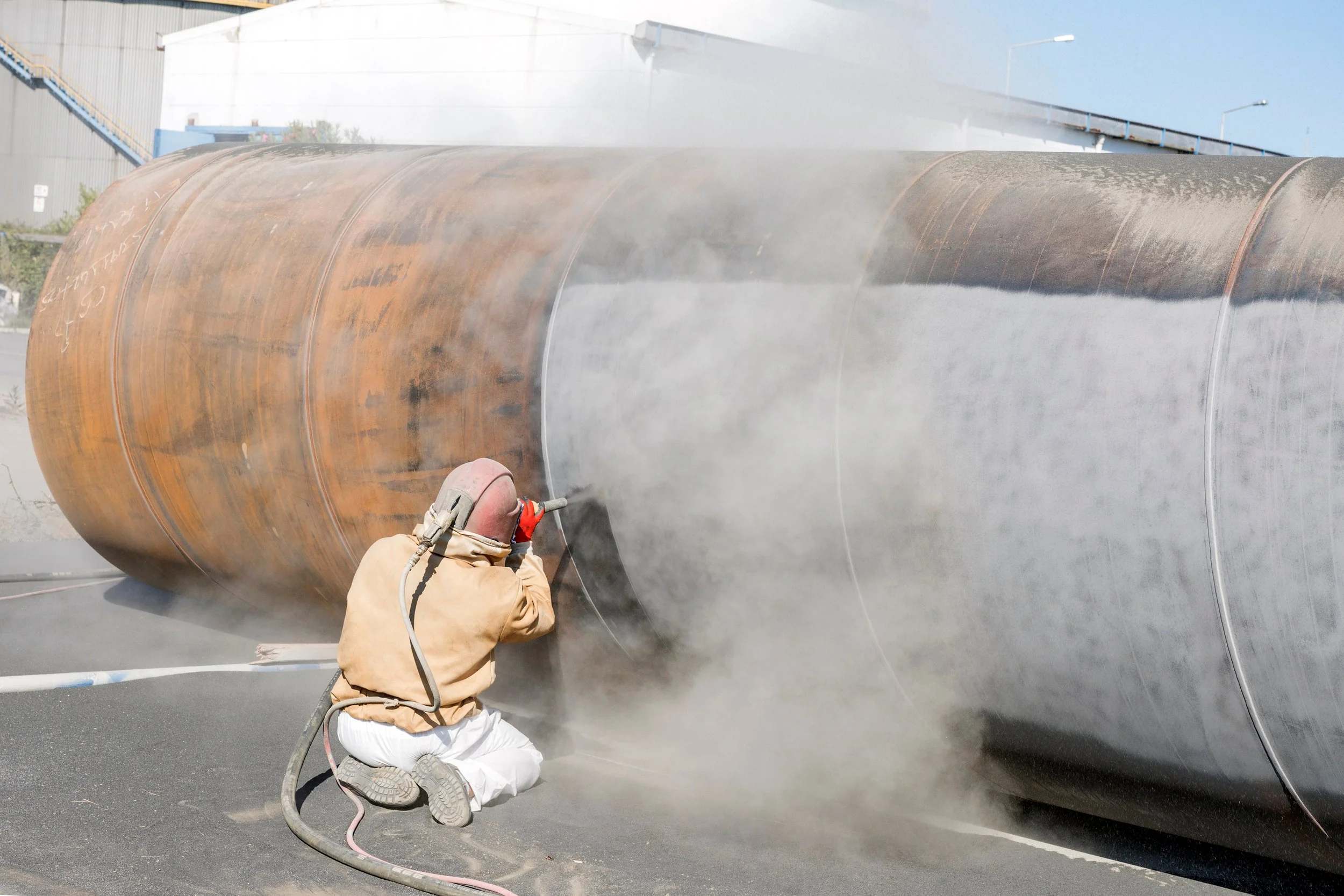
Old lines that no longer apply are removed rather than painted around. Multiple layers of contradictory markings confuse people badly. Removal runs through dust free shot blasting for larger areas or diamond grinding for selective work. Our floor coating removal service covers heavier build-ups.
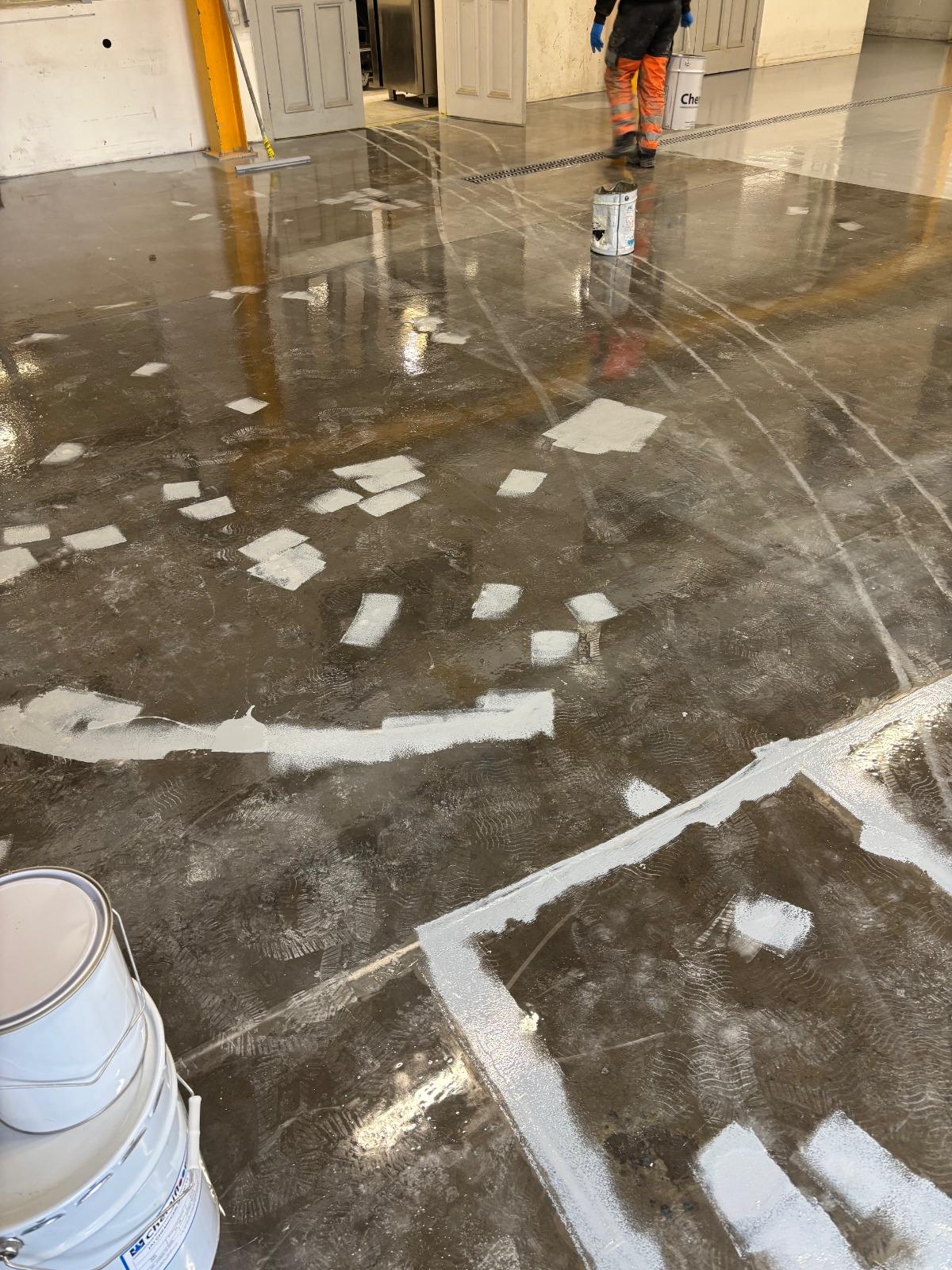
Paint applied to a dusty or contaminated slab peels within months. Lines need the same preparation discipline as any coating. Bare concrete is mechanically prepared and cleaned. Heavily soiled floors go through pressure washing and are then allowed to dry properly. Where markings go onto an existing coating, we abrade and clean it so the line bonds to the system rather than sitting on the surface.
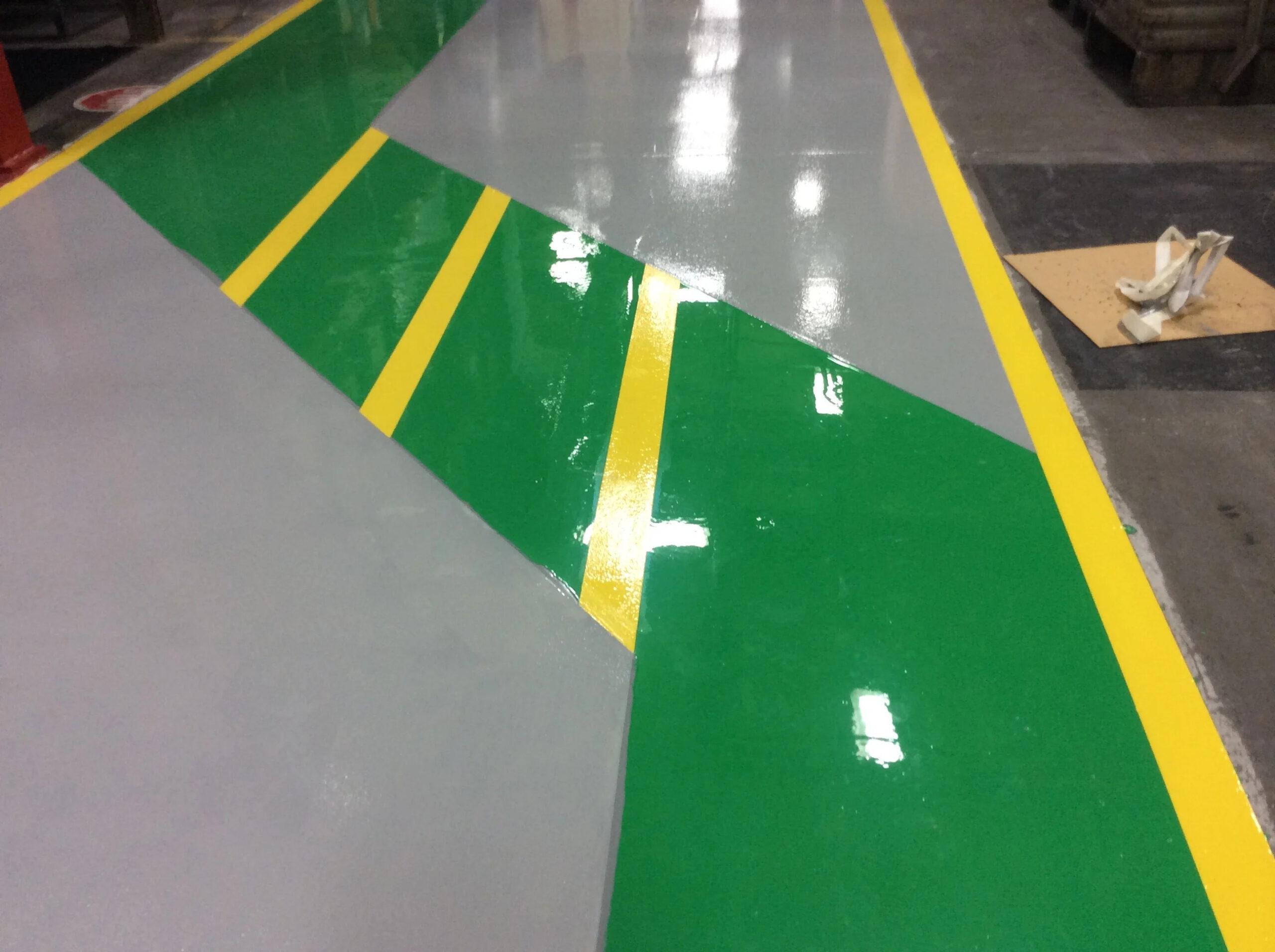
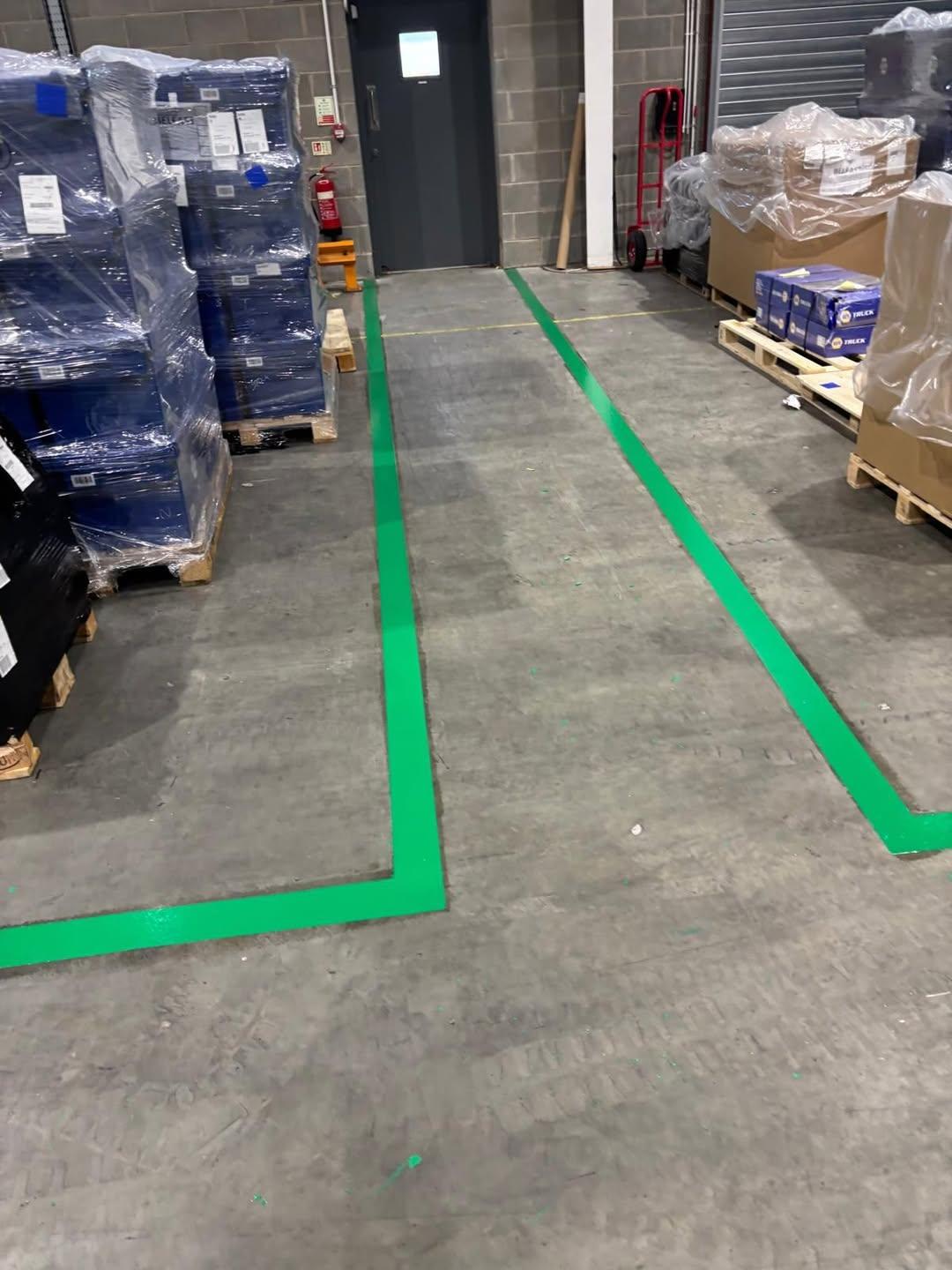
Lines are set out from fixed datums — racking legs, columns, walls — using strings and laser levels. Straightness is checked before masking. This is the slow part, and it’s what separates a professional layout from a rushed one. Wandering lines undermine confidence in the whole scheme.
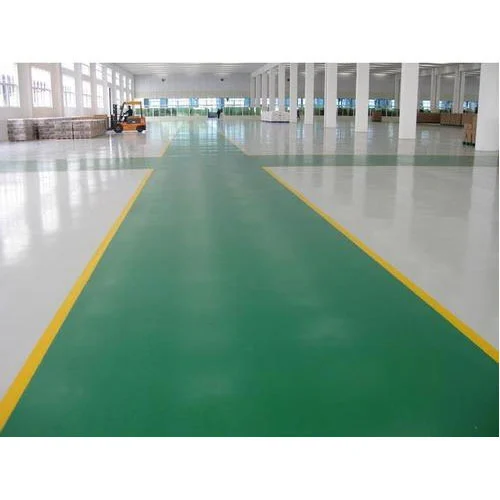
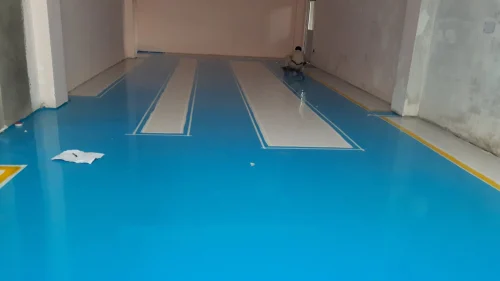
Edges are masked to give a crisp line, then paint is applied at the specified thickness. Standard widths run 50mm, 75mm and 100mm, with wider bands for aisle boundaries. Tape is removed while the paint is still wet, which is what produces a sharp edge rather than a ragged one. Anti-slip aggregate is broadcast into crossings and ramps at this stage.
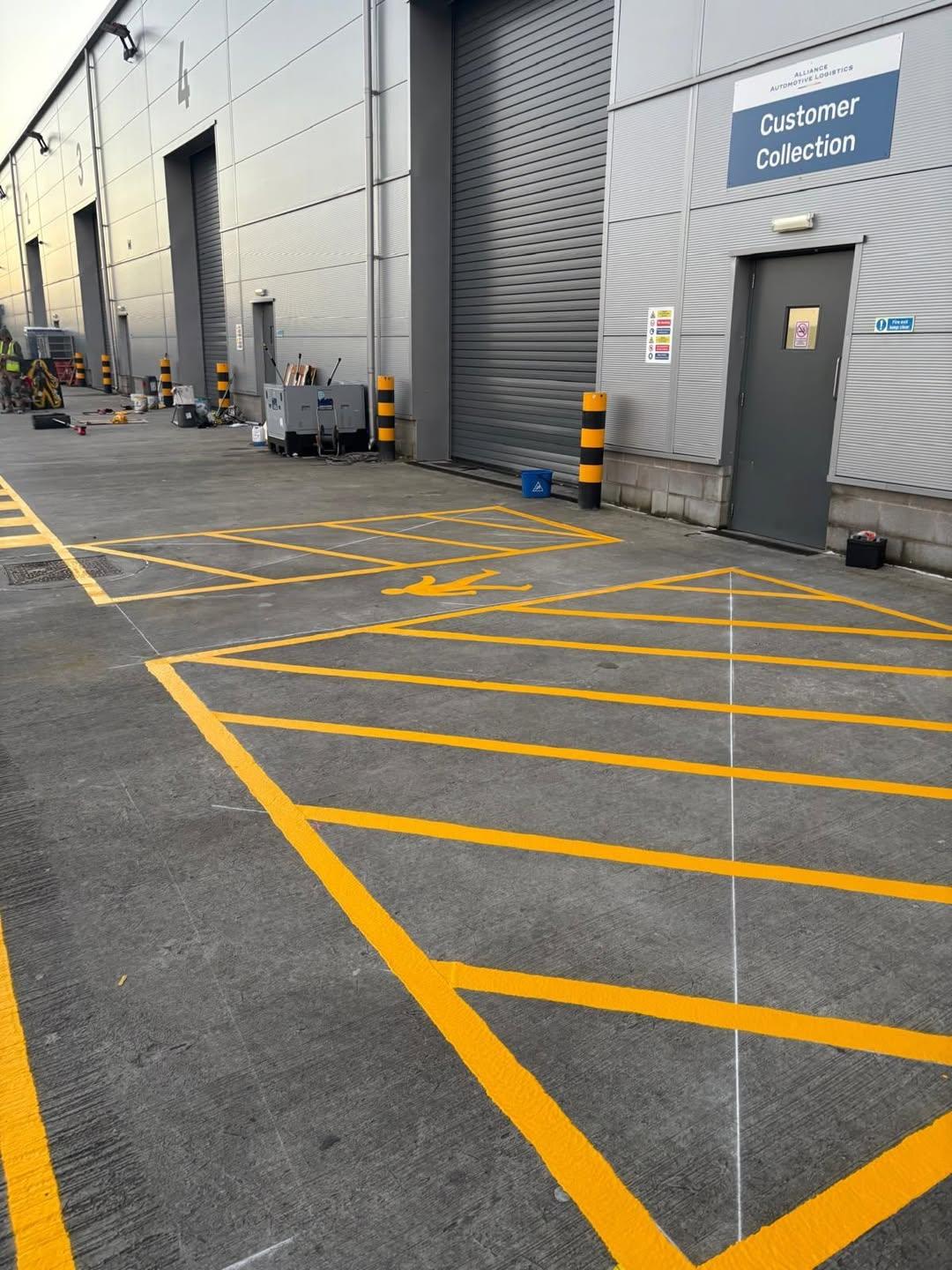
Arrows, hatching, disabled bays, fire equipment outlines and floor text are applied using stencils or preformed shapes. Consistency matters — the same symbol should look identical everywhere on site.
Most line paints take foot traffic within 2–4 hours and vehicle traffic at 12–24 hours. Epoxy systems need longer for full chemical cure. You get a marked-up layout drawing for your records, which is genuinely useful during inspections. See our before and after gallery for completed work.
Forklift and pedestrian interaction is one of the most serious risks in any warehouse. Clear segregation is the most effective engineering control available short of physical barriers.
Inspectors look for defined traffic routes, clear pedestrian walkways, unobstructed fire exits and accessible fire equipment. Marking demonstrates all four at a glance.
Marked evacuation routes and equipment positions save seconds when they matter. Everyone knows where to go and what to leave clear.
Hatched zones around panels, exits and fire points stop pallets appearing where they shouldn’t. Human nature responds well to a painted boundary.
Defined routes reduce congestion, near misses and the awkward standoffs that slow a busy floor down.
Marked locations for equipment, materials and work in progress make deviations visible instantly, which is the whole point of visual management.
Auditors, insurers and visiting customers all form a view within seconds. A clearly marked floor reads as a controlled operation.
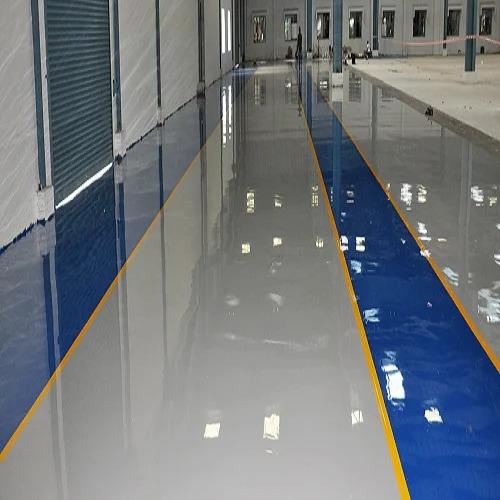
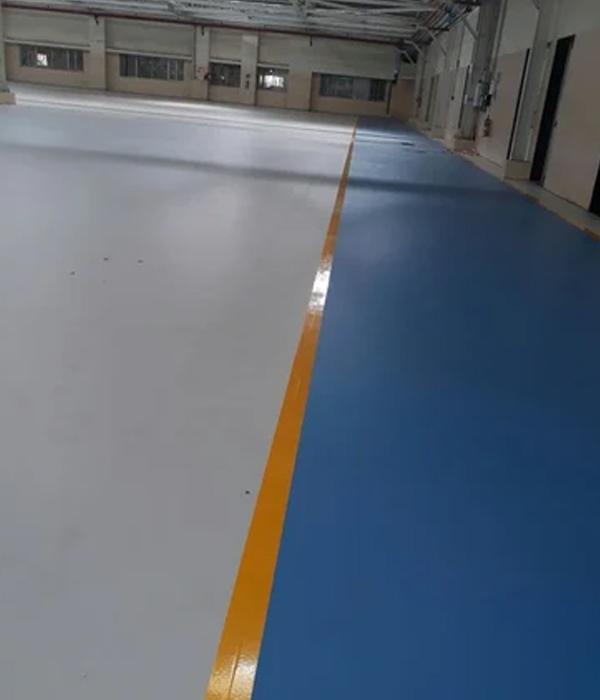
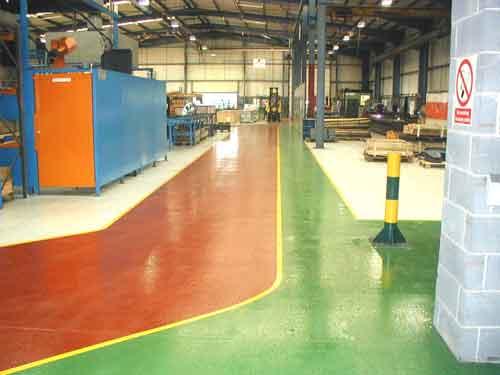
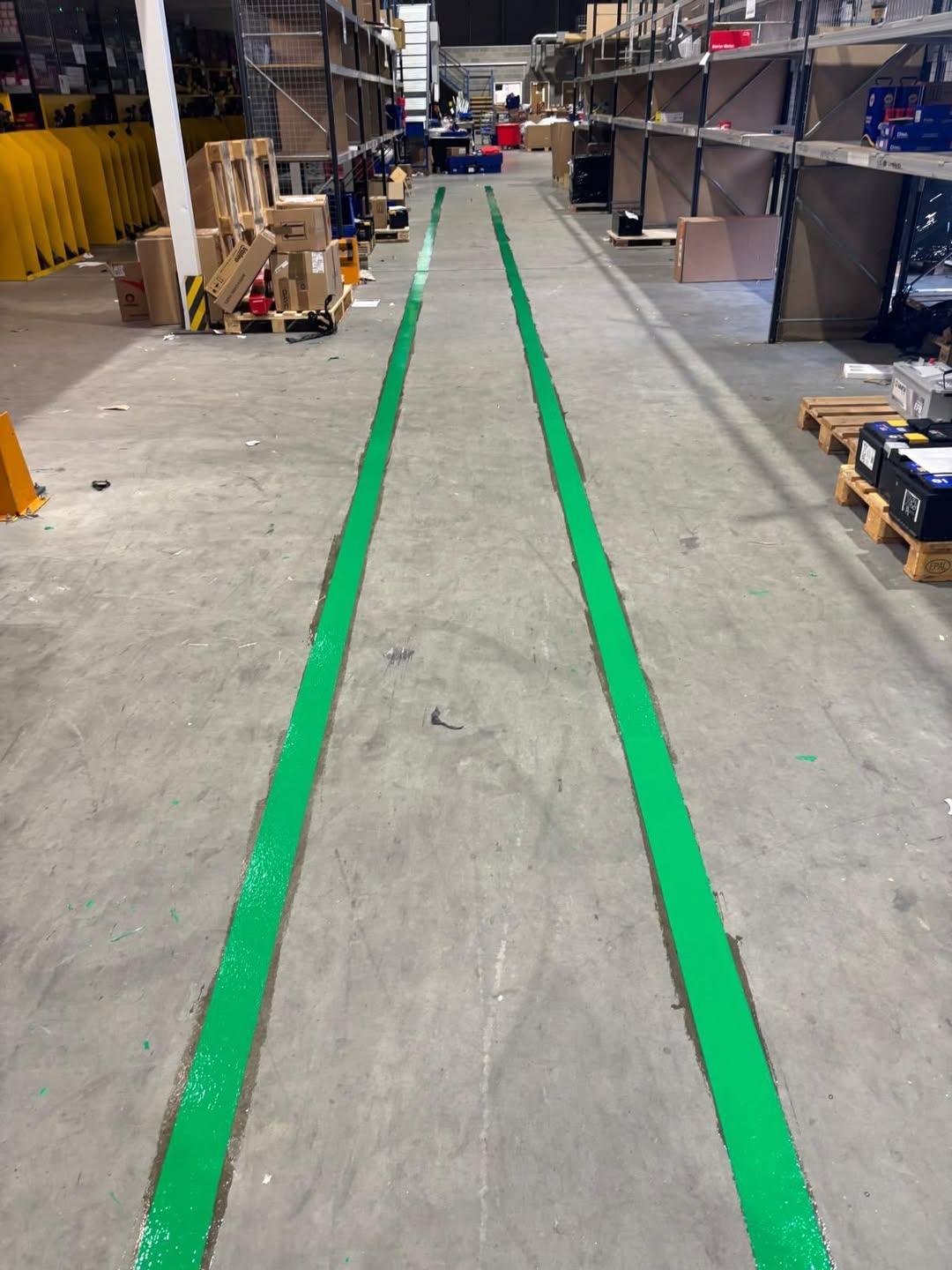
Aisle boundaries, pedestrian walkways, crossing points and racking footprints. Usually done alongside a full industrial flooring installation or after a re-rack.
Machine footprints, work in progress zones, panel access and plant swing areas. Frequently part of a 5S implementation.
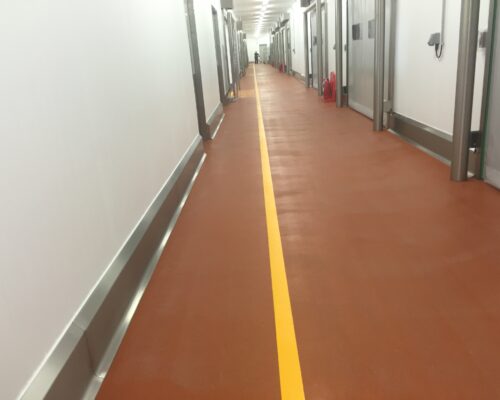
Marking that survives washdown and sanitiser, integrated into hygiene floor coating or clean room systems rather than applied on top.
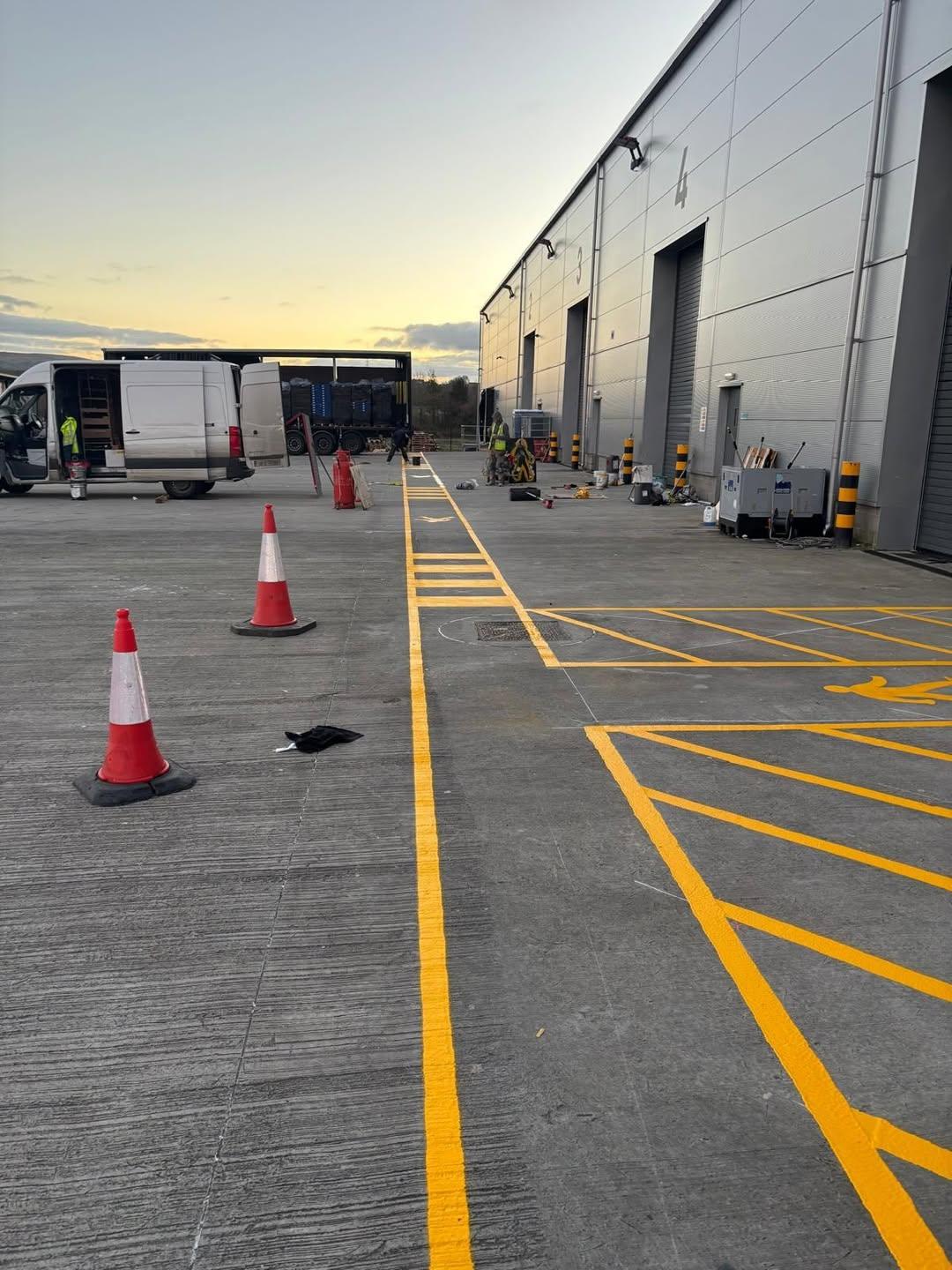
Trailer positions, hatched safety zones behind docks and pedestrian exclusion areas. High-wear locations that need durable materials.
Bay boundaries, walkways and equipment positions, often applied over oil resistant flooring or garage floor painting systems.
Pedestrian routes and crossings across decks and yards, delivered with traffic line marking and car park flooring.
Circulation routes, assembly points and hazard zones. Court and pitch markings run separately through sports courts line marking.
We deliver safety line marking in the Midlands across Athlone, Mullingar, Tullamore, Portlaoise, Longford Town, Birr and Roscommon Town, with full Dublin and nationwide coverage from our Dublin 3 base.
Marking is usually the last stage of a floor. Vehicle routes and external areas run through traffic line marking, while sports surfaces are handled by sports courts line marking and tennis court lines and coatings. Marking bonds far better into a coated floor, so many clients combine it with epoxy flooring or industrial floor painting. Bare slabs are prepared through floor preparation and often treated with dust proofing or concrete sealing at the same time. Damaged areas along traffic routes need concrete floor repairs before marking.
Faded lines are worse than no lines. They tell an inspector, an insurer or an investigator that you identified the hazard, put a control in place, and then let it wear away without noticing. Meanwhile the actual risk is unchanged — forklifts and people still share the same floor, fire equipment still gets blocked by pallets, and the walkway nobody can see is a walkway nobody uses. It’s one of the cheapest controls on any site, and one of the easiest to let slide.
Safety line marking in the Midlands, delivered by Ron and the crew, is designed around how your site really moves and marked in materials that survive it. The survey is free. The quote is written and itemised. Most floors are marked and back in service the same day.
Call Ron: 086 2631652 — direct line, straight answers
Call Office: 014800555 — Sun–Fri, 09:30–17:30
Email: info@midlandsfloorpaintingco.ie
Or send your details through our contact page and we’ll come back to you the same working day, with no obligation.
Mark the route people actually take. That’s the one that keeps them safe.
Fill in your details and we'll get back to you within 24 hours.
Our Clients






Case Studies
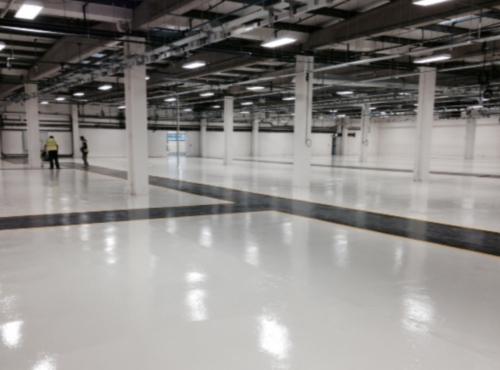
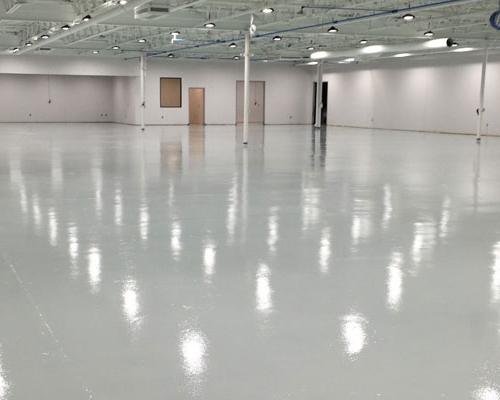
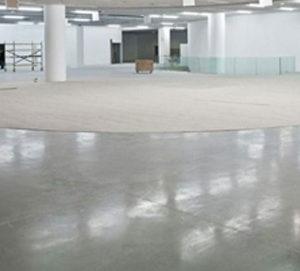
Healthcare Manufacture Plant
Client:
Trulife International
Location:
Airton Rd, Dublin, Ireland
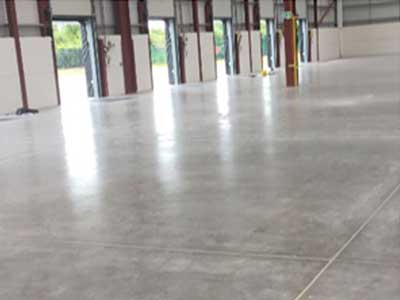
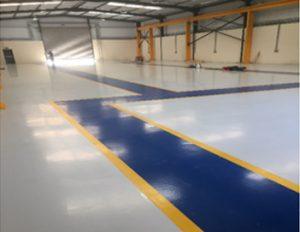
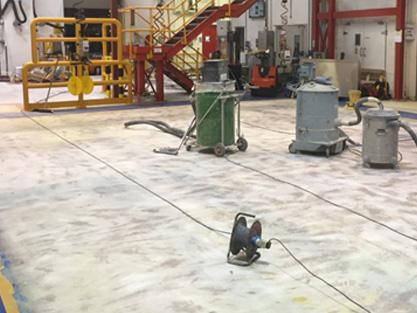
Old Concrete Refurbishment
Client:
Pressco Engineering
Location:
Dublin, Ireland
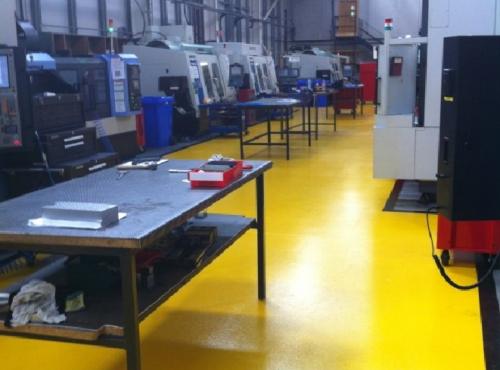
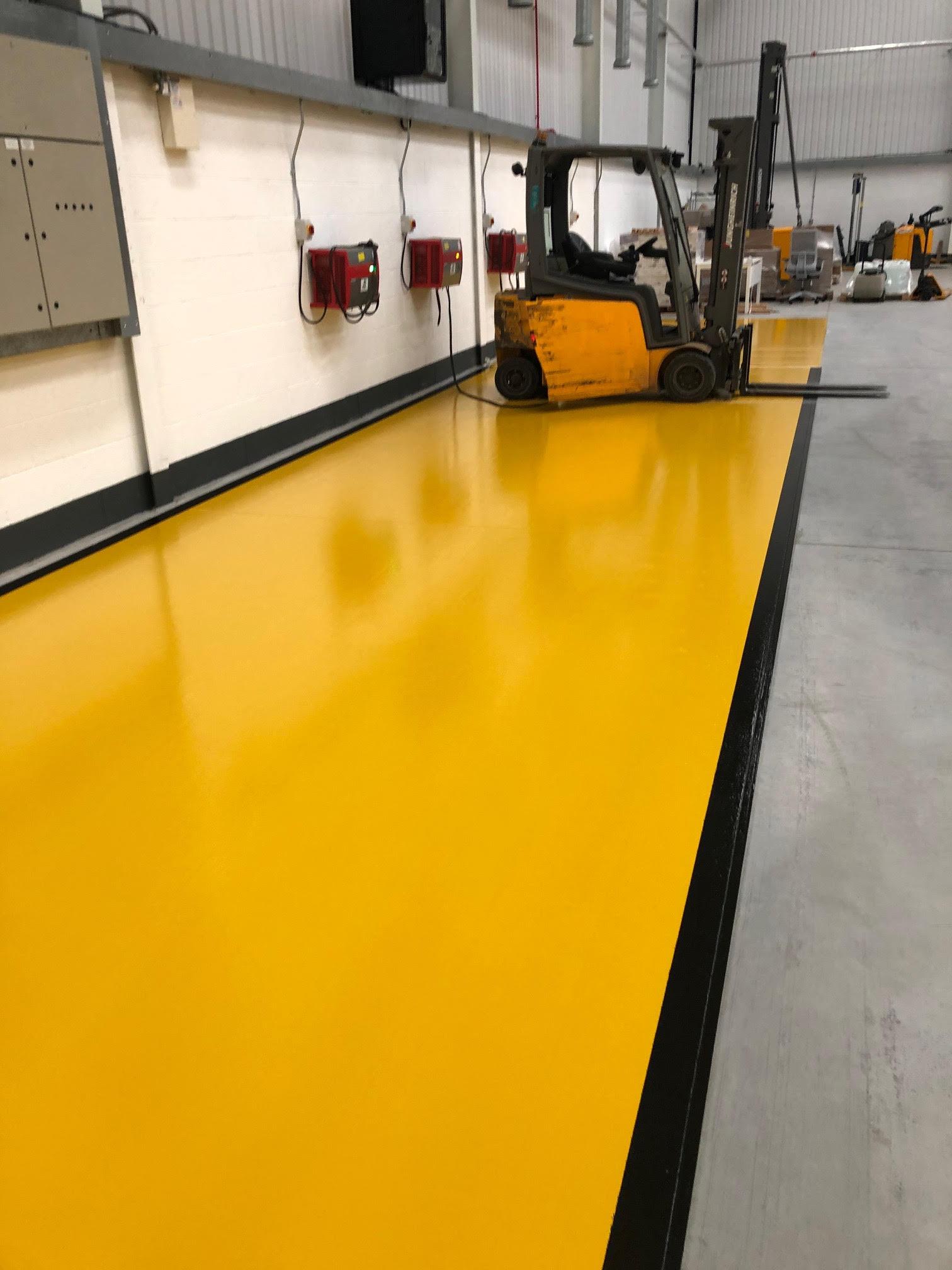
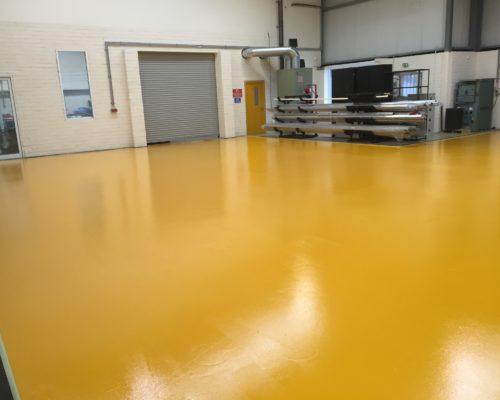
Anti Slip Flooring Installment
Client:
Tech Engineering
Location:
Bray, Ireland
Before & After
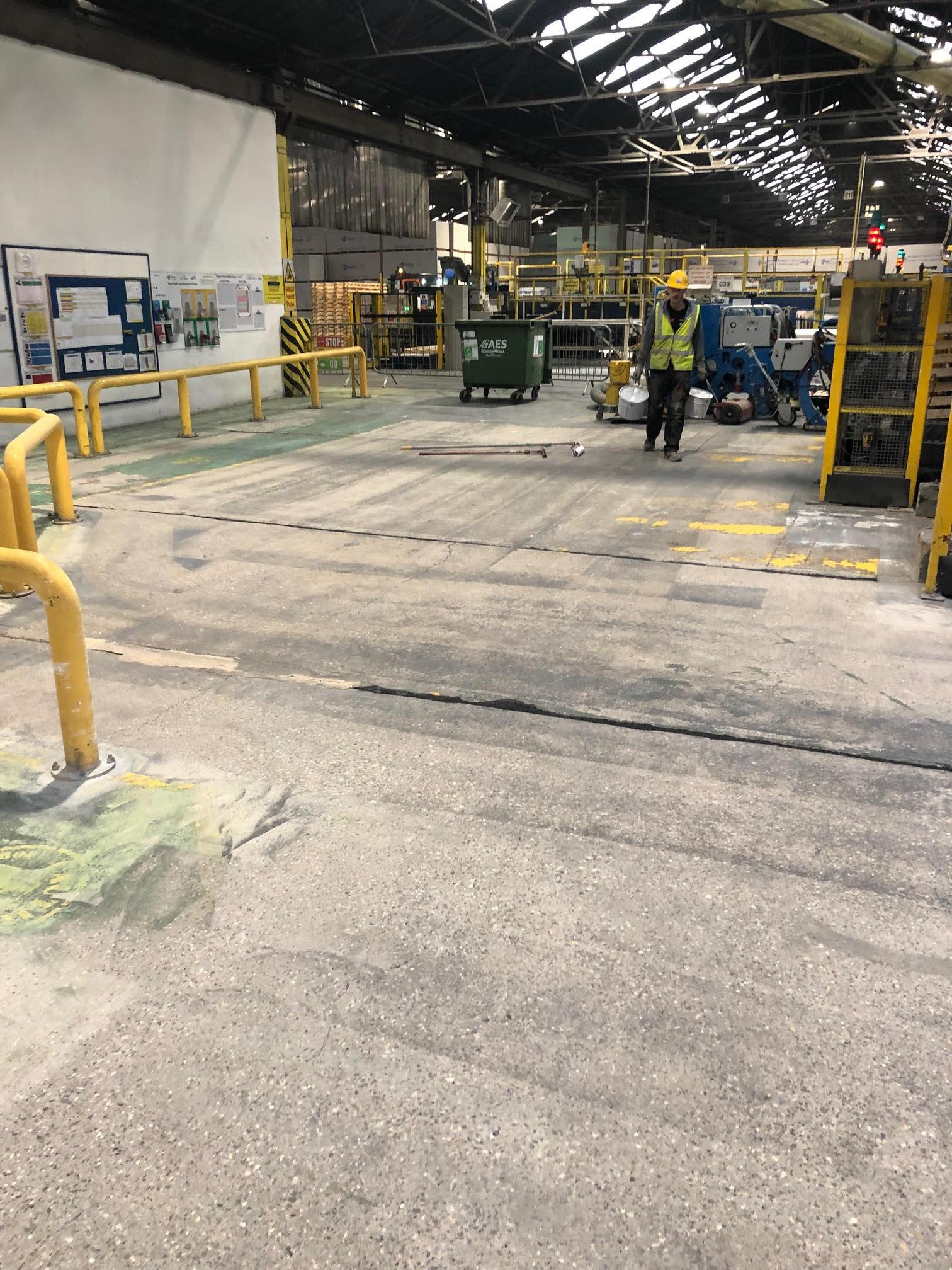
Before
After
Before
After
Recent Projects
Call on 0862631652 or Office Tel 01 2314676 Email us on info@midlandsfloorpaintingco.ie