
Get a Quote
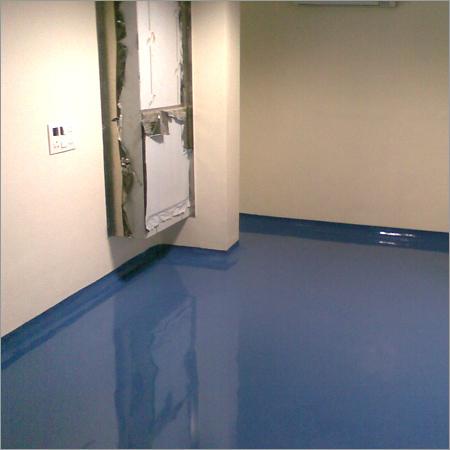
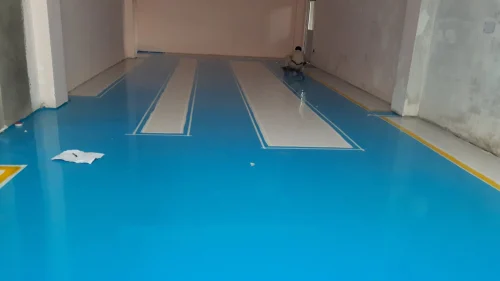
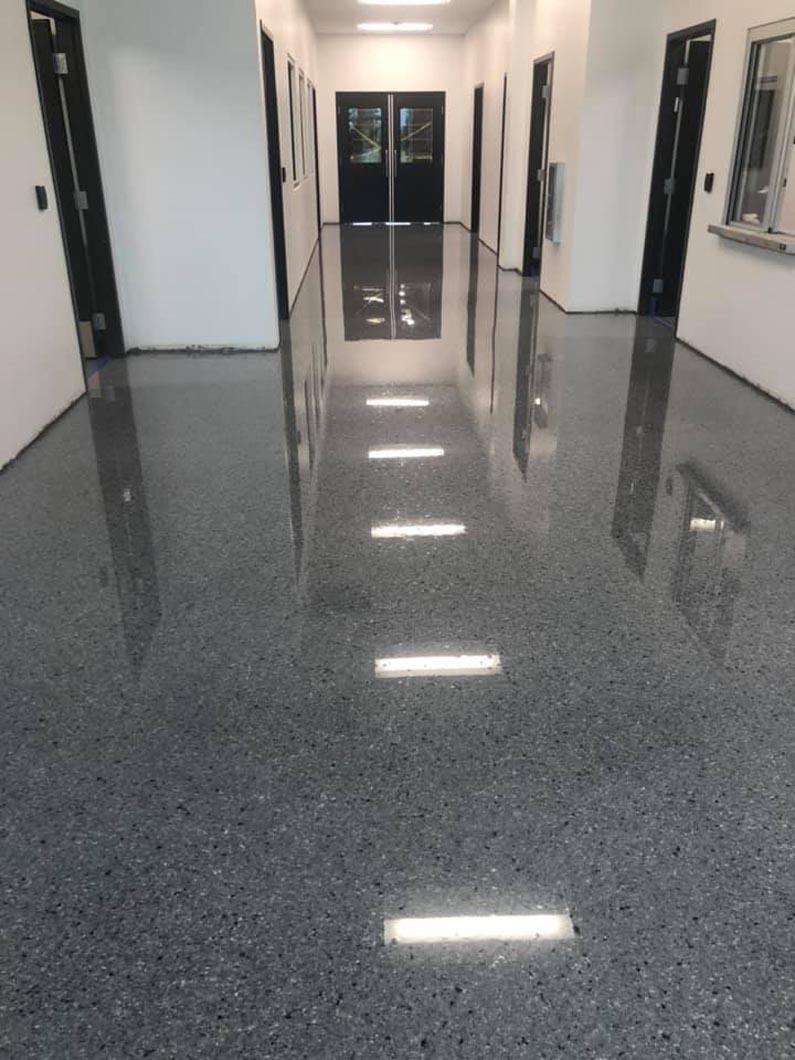
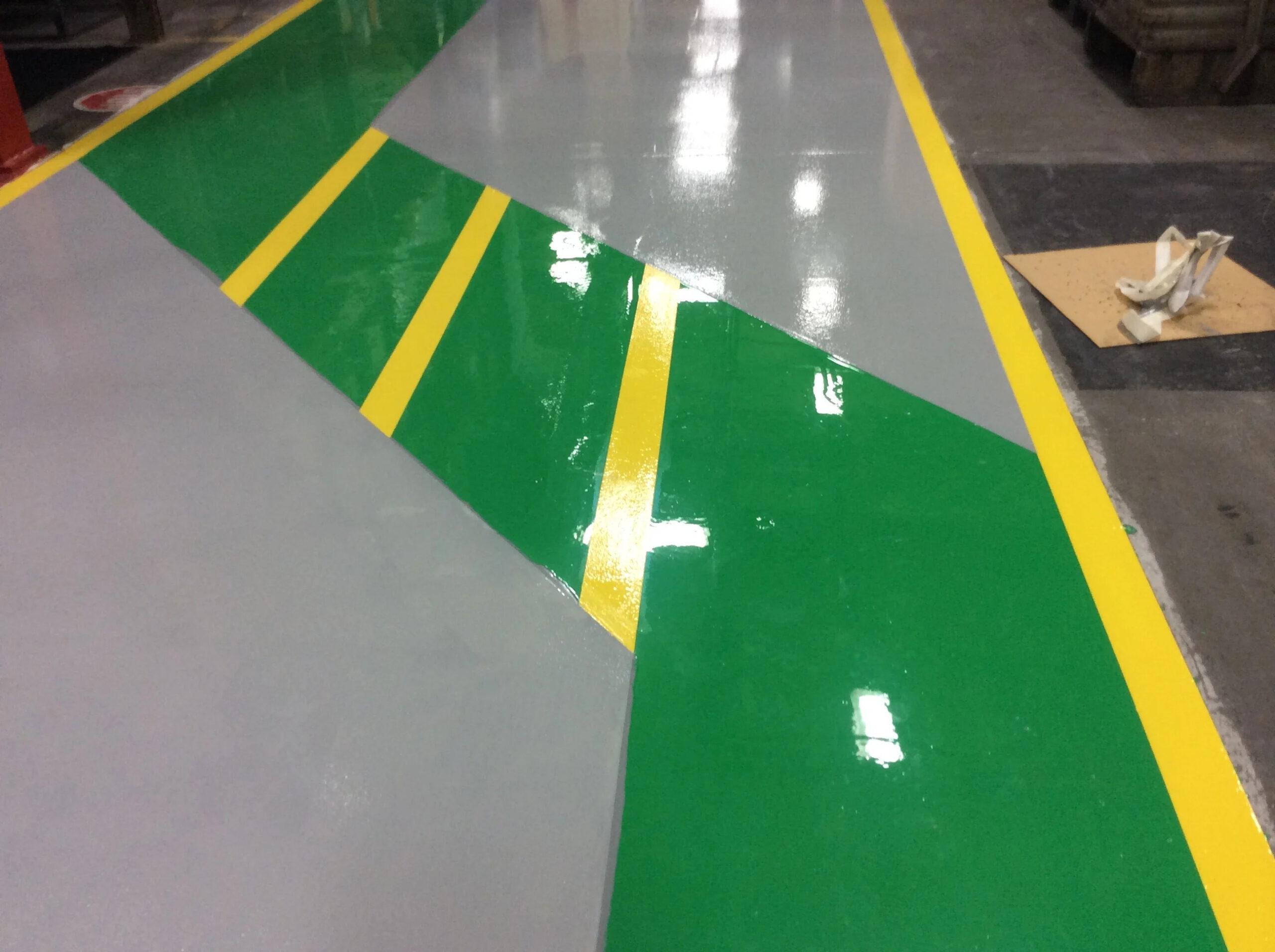
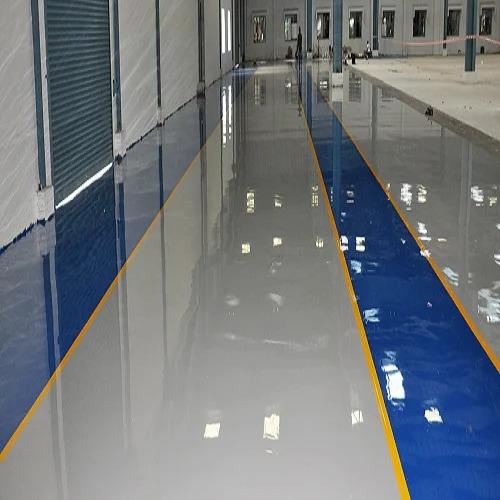
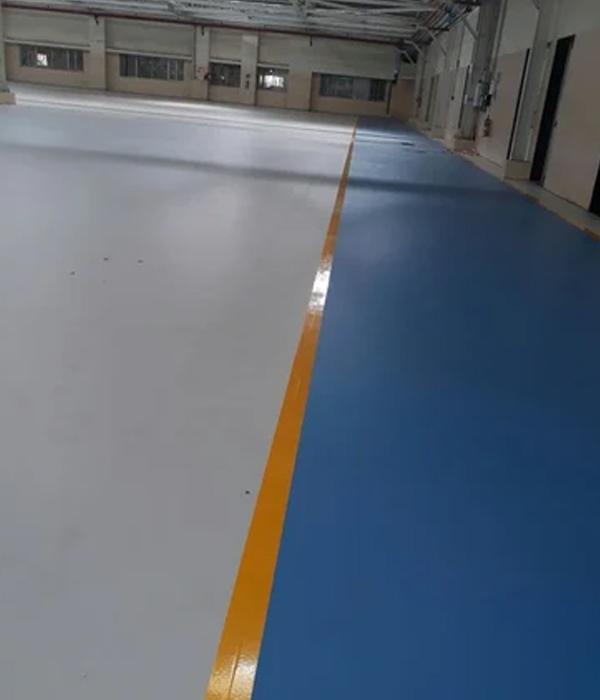
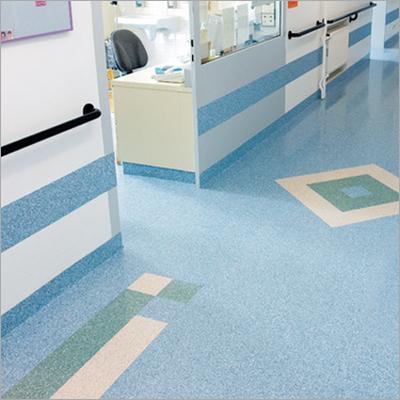
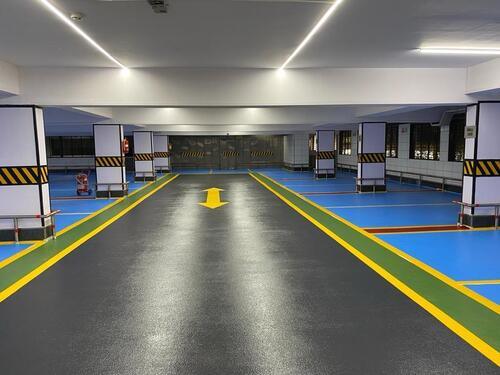
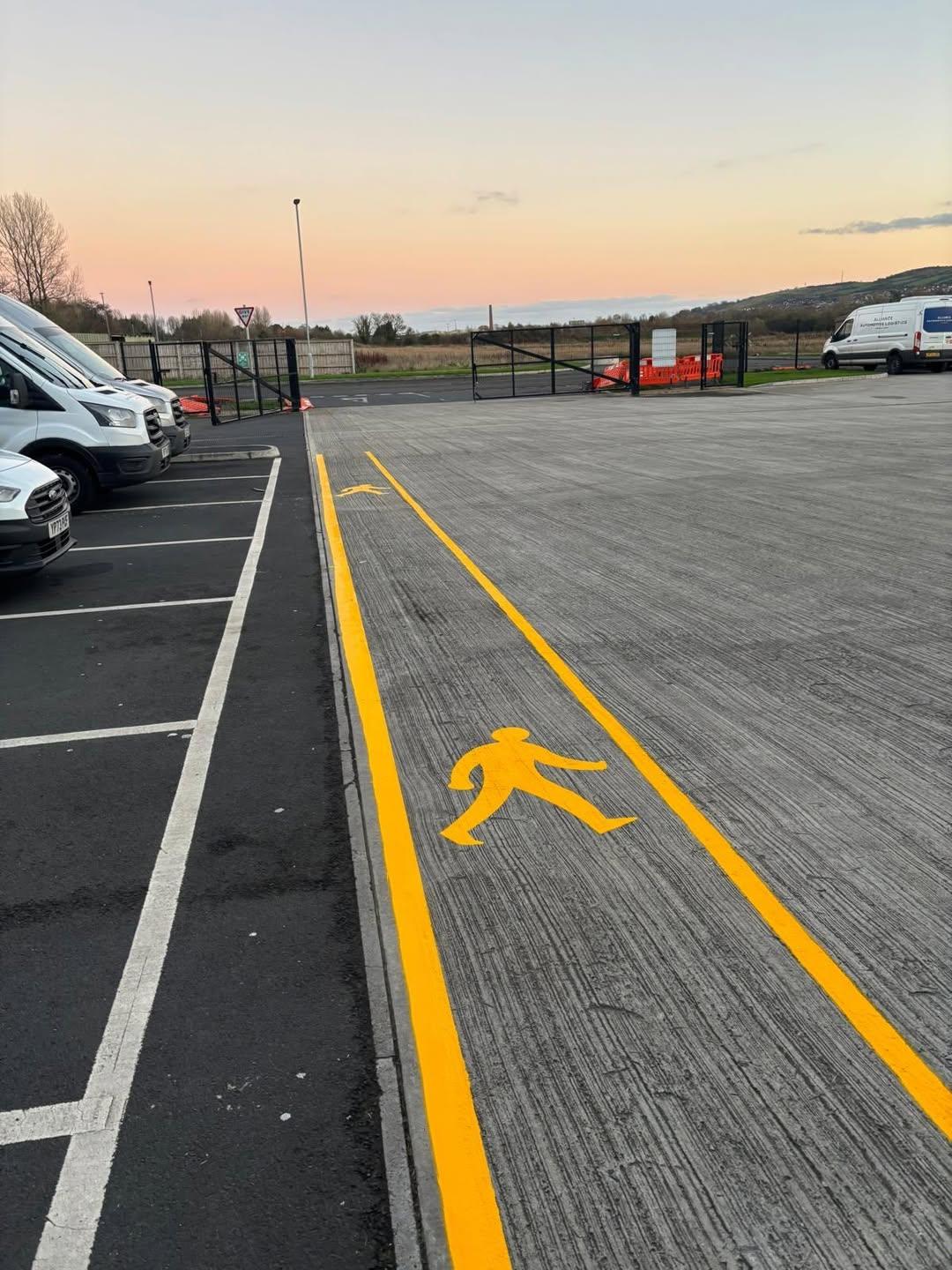
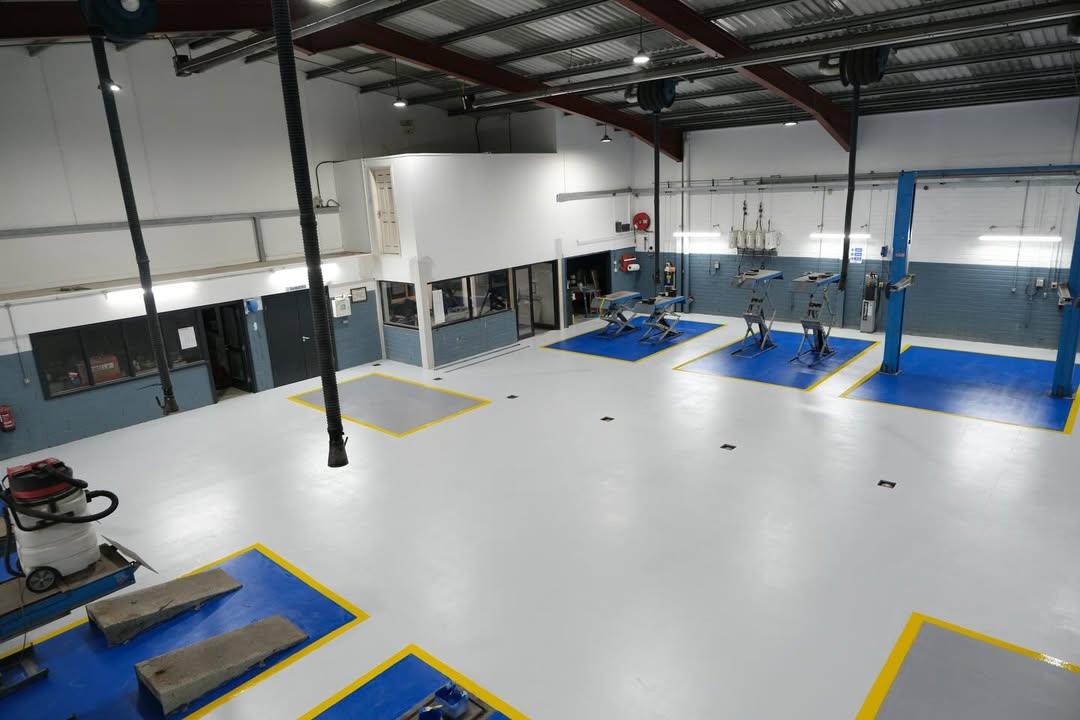
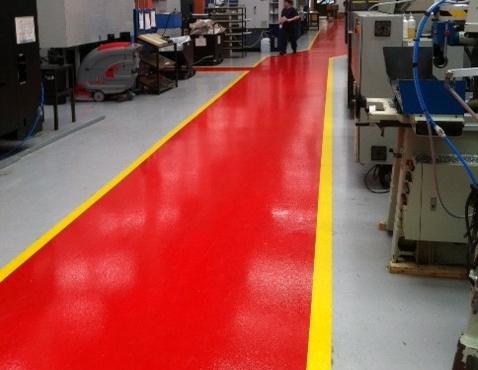
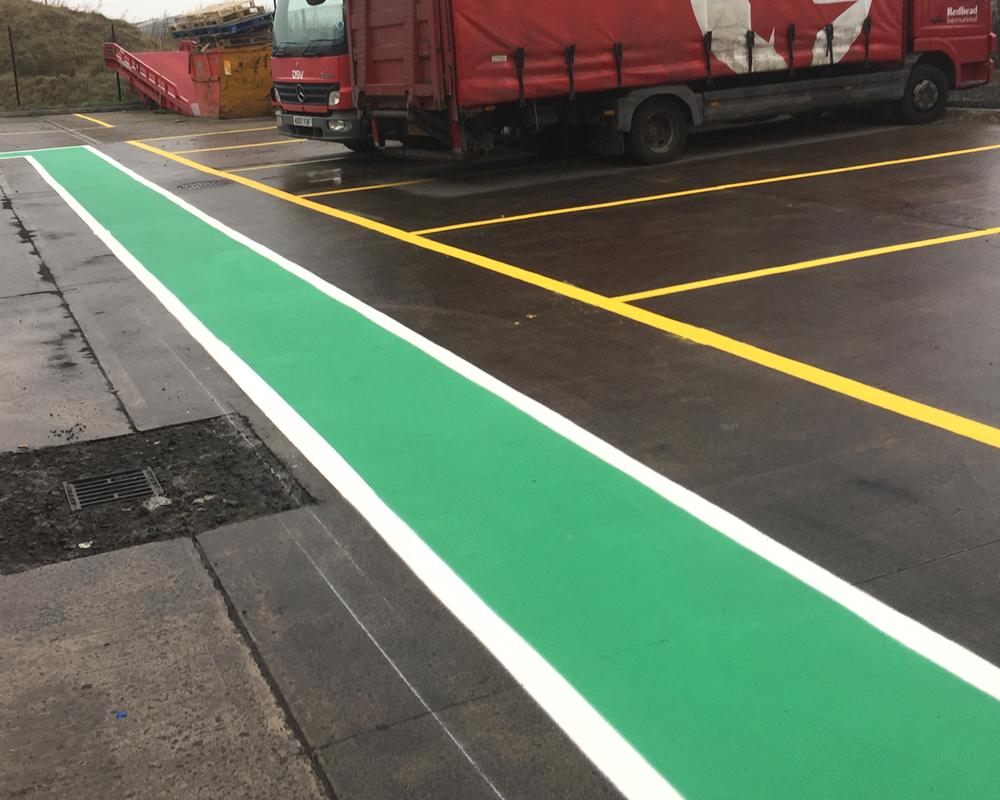

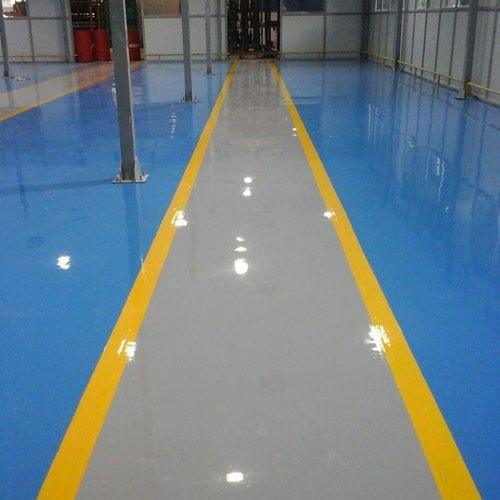
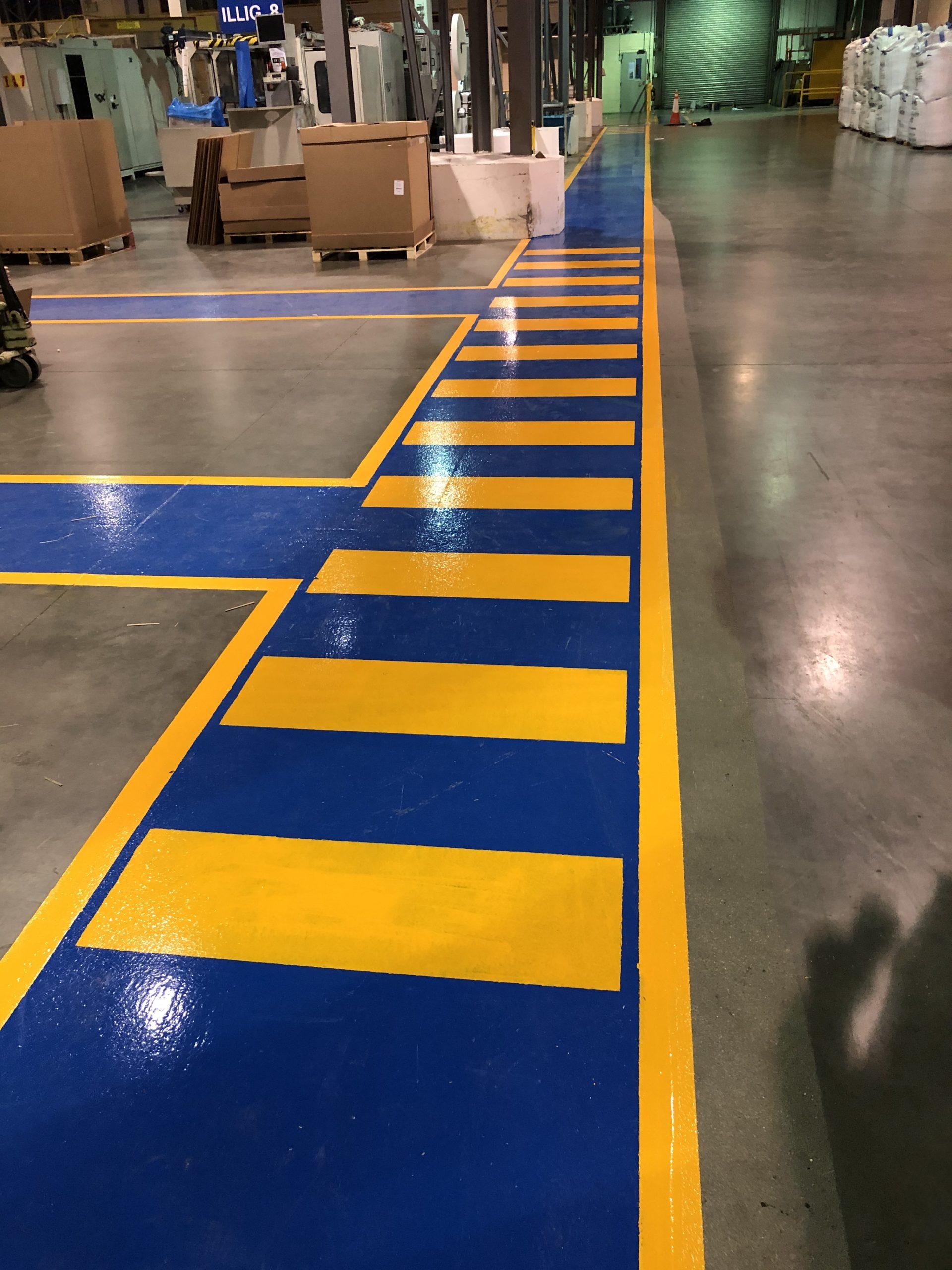
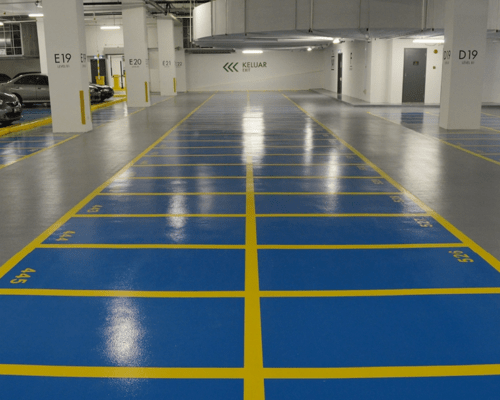
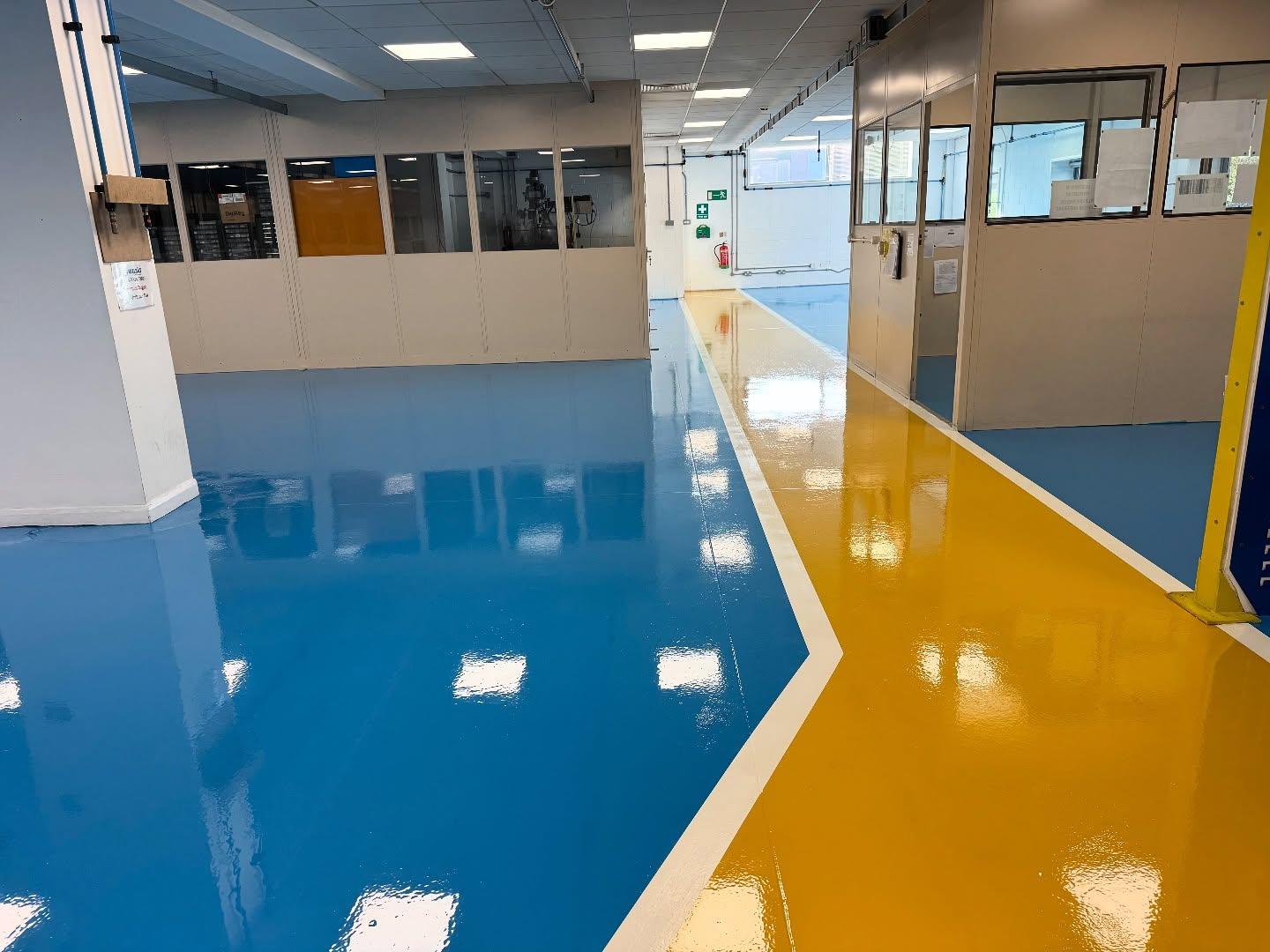
Anti static flooring in the Midlands is bought on a product name and lost on the earthing detail. Plenty of contractors will happily quote you a “conductive epoxy” and roll it out beautifully. Then the first resistance test comes back at 10⁹ ohms in one corner and 10⁴ in another, and nobody can explain why. Usually the answer is dull and entirely predictable: the copper grounding strip was laid short, the conductive primer was thinned on the second mix, or the topcoat was applied too thick and insulated the very layer meant to carry charge away. An anti-static floor is an electrical system that happens to look like a floor. Treat it as decoration and it will fail its own test.
We build these floors to the earthing drawing first and the finish second. Ron surveys the space, confirms your target resistance range, and specifies a system that will actually land inside it. Our crew lays the copper grid, ties it into your earth point, controls film thickness across every bay and hands the floor over with resistance readings taken in your presence. That discipline is why clients across Westmeath, Offaly and Dublin keep coming back to us — one for four years running, as our customer testimonials confirm.
Need a floor that will pass its resistance test? Call Ron on 086 2631652 for a free site survey.
This is the decision that everything else hangs on, and it’s simpler than most suppliers make it sound.
Get the range right and the rest of the specification follows naturally.
Different environments demand different build-ups. Here’s what we specify and why.
Colour and slip grade still matter. Light tones improve visibility around benches, and a fine broadcast adds grip without compromising the conductive path.
The sequence is stricter than a standard resin floor, because every layer affects the electrical performance.
Ron visits your site, tests the slab for moisture and hardness, and identifies your earth bonding points. He’ll ask what you handle, which standards you’re audited against and what resistance range you’re targeting.
You then receive a written, itemised quote. Preparation, repairs, copper grid, primer, body coats, topcoat and testing all appear as separate lines.
Conductive systems are thin and unforgiving, so the substrate has to be right. Acid etching won’t do it.
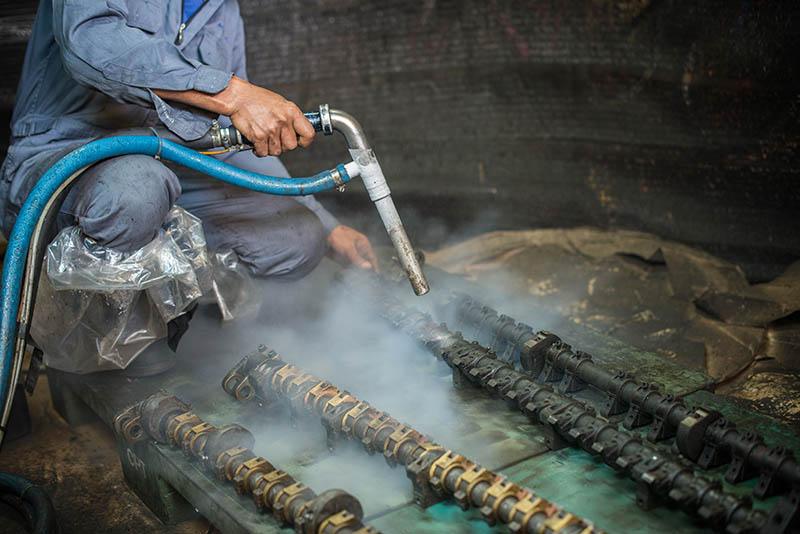
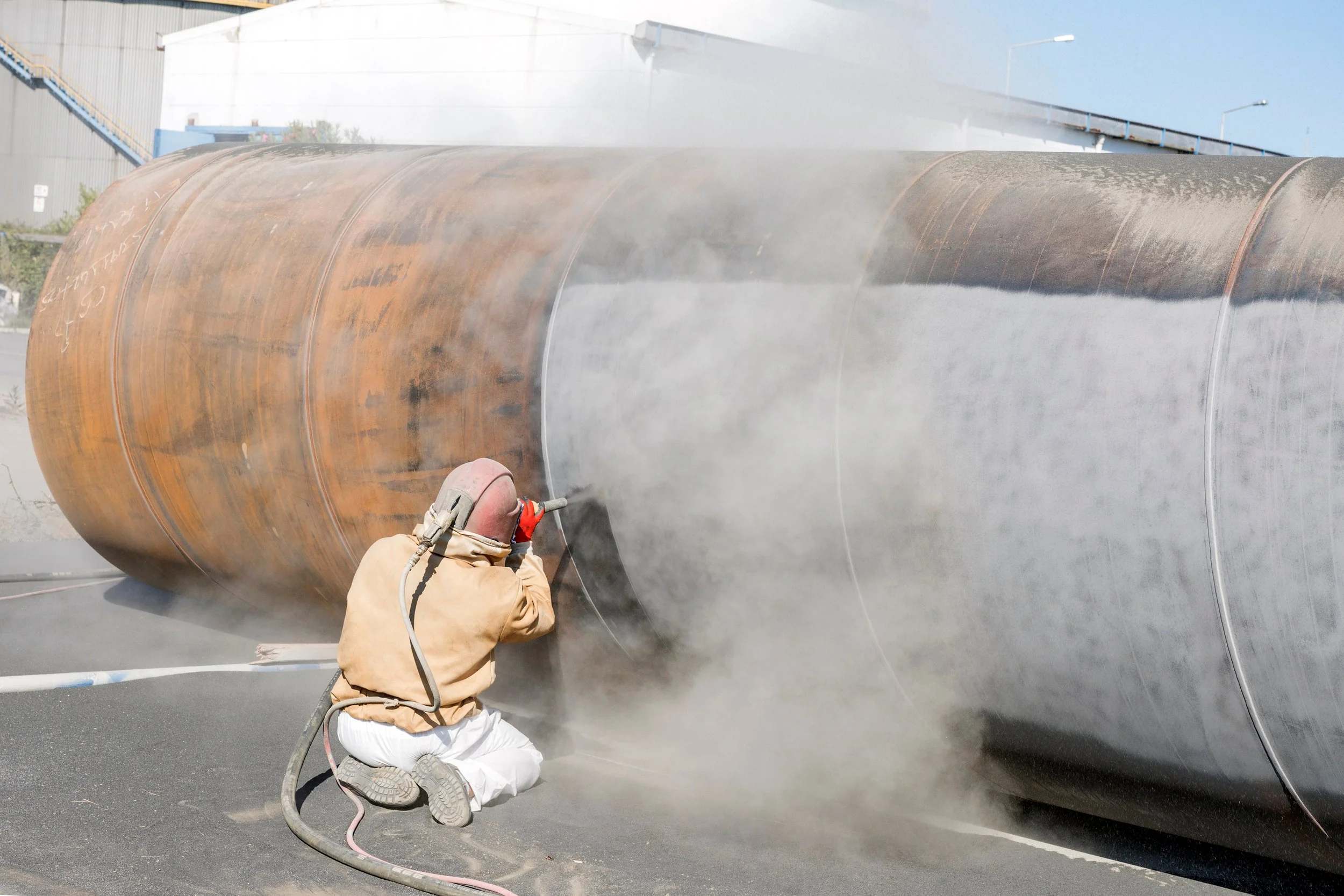
Diamond floor grinding opens the concrete to a consistent profile. Where old coatings or contamination need removing, dust free shot blasting works faster across larger areas. Everything runs through H-class extraction, which matters enormously in electronics environments.
Our complete floor preparation approach is why our readings stay stable across the whole floor.
Any defect in the slab becomes a weak point in the conductive layer. So we fix them first.
Potholes and spalled areas are rebuilt in resin mortar. Cracks are cut out and filled or stitched. Movement joints are reinstated and carried through the finished surface rather than covered. See our concrete floor repairs and mastic floor joint repairs pages for detail.
Failed resin already down? Our epoxy floor removal service strips it back to sound concrete.
This is the step that separates a working ESD floor from an expensive one.
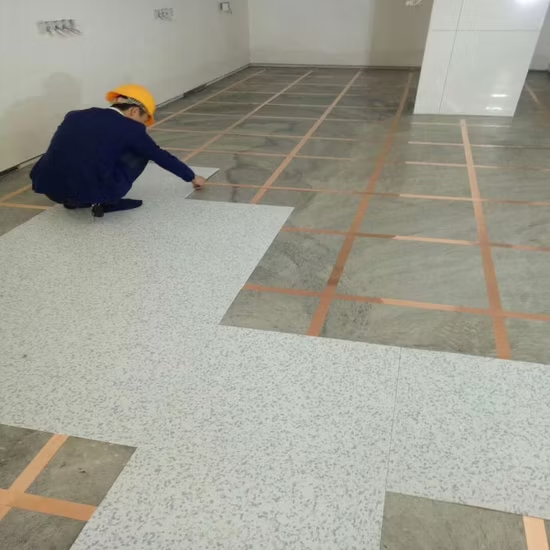
We lay self-adhesive copper tape in a grid across the prepared slab, typically at 5–6 metre centres, with additional runs around bench positions and equipment bases. Tails are brought out to your earth bonding points at a minimum of two locations, so the floor stays compliant even if one connection is later disturbed. Your electrician makes the final connection to the building earth.
A carbon-loaded conductive primer goes on first and creates the continuous path across the grid. Mixing discipline is critical here, because a thinned or under-agitated mix ruins the reading.
Body coats follow at controlled thickness. Too thin and durability suffers. Too thick and you insulate the conductive layer, which is the single most common cause of failed handover tests.
We take resistance-to-earth readings across a grid pattern once the floor has cured, following the method in IEC 61340-5-1. You see the results, and you get them in writing.
Expect touch-dry at 8–12 hours and foot traffic at around 24 hours. Full service arrives at 5–7 days at 15–20°C, though cold rooms cure slower. Have a look at our before and after gallery to see the standard we hand back.
Facing an audit or a failed ESD test? Call Ron: 086 2631652 for a free survey and honest assessment.
An anti-static floor only counts if it can be evidenced. Here’s what auditors and insurers actually look for.
IEC 61340-5-1 governs ESD control programmes for electronics, and it’s the document most Irish sites are audited against. It sets resistance limits for flooring as part of a wider system that includes footwear, wrist straps and benching. A floor alone doesn’t make you compliant, so we’ll flag where the rest of the chain needs attention.
Where flammable vapours, dusts or solvents are present, conductive flooring becomes a safety control rather than a quality measure. These areas need the lower resistance band and denser earthing. We specify accordingly and document it.
Readings change over time, and it’s rarely mysterious. Polish and standard floor waxes insulate the surface almost immediately, so they must never be used. Heavy contamination has the same effect. Meanwhile, a disturbed earth connection during a fit-out will take the whole floor out of spec silently.
We hand over cleaning guidance that protects the conductive path, along with your baseline readings for comparison. Periodic retesting is straightforward, and our floor inspections and repairs team can carry it out annually if you’d prefer not to manage it in-house.
Want documented readings on handover? Call Office: 014800555 for your free itemised quote.
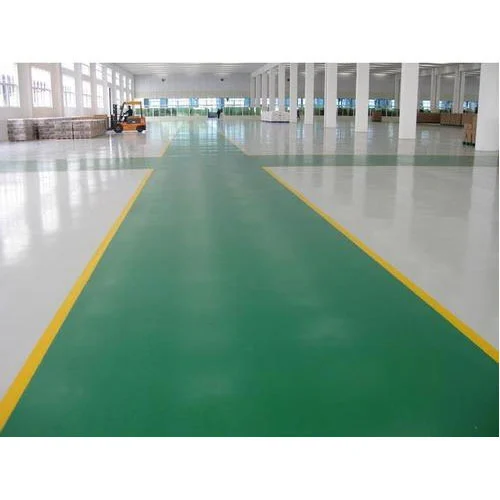
The core application. Dissipative epoxy across assembly halls, with tighter earthing around bench positions and test areas. Seamless detailing keeps particulate down at the same time.
Static damages hardware quietly and expensively. These spaces need consistent readings, low particulate and a surface that takes trolley loads without marking.
Static control combines with hygiene requirements here. We deliver these alongside our clean room systems and coved hygiene floor coating detailing for BRC and GMP scrutiny.
Solvent handling areas, decanting bays and paint stores. Conductive build-ups with full chemical resistance and coved upstands are standard here.
Web-fed machinery generates enormous static charge. Conductive flooring reduces it at floor level while withstanding heavy roll traffic across the same routes daily.
Tight tolerances, expensive components and demanding audits. Larger facilities usually combine ESD zones with standard industrial flooring in the surrounding storage and dispatch areas.
Bench-heavy spaces with sensitive instrumentation. Seamless epoxy flooring with a dissipative build gives you cleanability and charge control together.
We install anti static flooring in the Midlands across Athlone, Mullingar, Tullamore, Portlaoise, Longford Town, Birr and Roscommon Town, with full Dublin and nationwide coverage from our Dublin 3 base.
Static control rarely arrives on its own. Heavily worn slabs generally need diamond grinding before any conductive system goes down, while a previous contractor’s failed coating comes off through our floor coating removal service. Contaminated or greasy substrates usually need pressure washing first. Once the floor is down, zoning it clearly with safety line marking keeps ESD-protected areas obvious to everyone on site. Wet processing rooms nearby often suit our wash room systems, and hygiene-critical walls can be finished with hygienic wall cladding to complete the envelope.
An ESD floor either measures inside its range or it doesn’t. There’s no partial credit, no benefit of the doubt and no talking your way past a failed reading in front of an auditor. A floor earthed properly and tested on handover protects your components, your compliance and your production. One installed on faith protects nobody, and you’ll discover that at the worst possible moment.
Anti static flooring in the Midlands, delivered by Ron and the crew, means the earthing plan comes first and the readings come in writing. The survey is free. The quote is written and itemised. Most installations are back in full service inside a week.
Call Ron: 086 2631652 — direct line, straight answers
Call Office: 014800555 — Sun–Fri, 09:30–17:30
Email: info@midlandsfloorpaintingco.ie
Or send your details through our contact page and we’ll come back to you the same working day, with no obligation.
Earth it right. Test it properly. Sleep through your next audit.
Fill in your details and we'll get back to you within 24 hours.
Our Clients






Case Studies
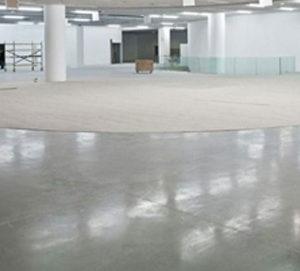
Healthcare Manufacture Plant
Client:
Trulife International
Location:
Airton Rd, Dublin, Ireland
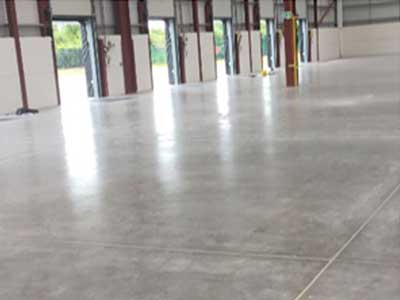
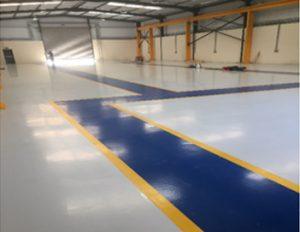
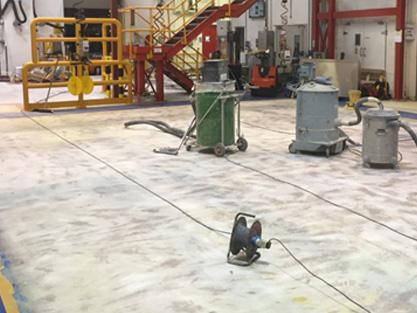
Old Concrete Refurbishment
Client:
Pressco Engineering
Location:
Dublin, Ireland
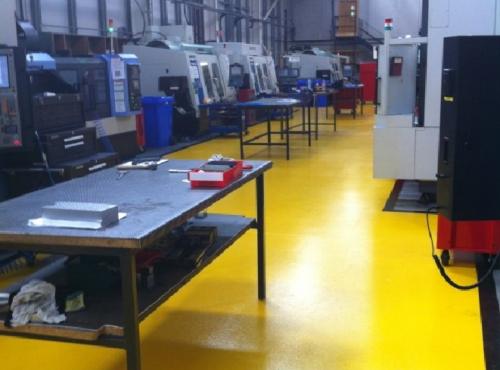
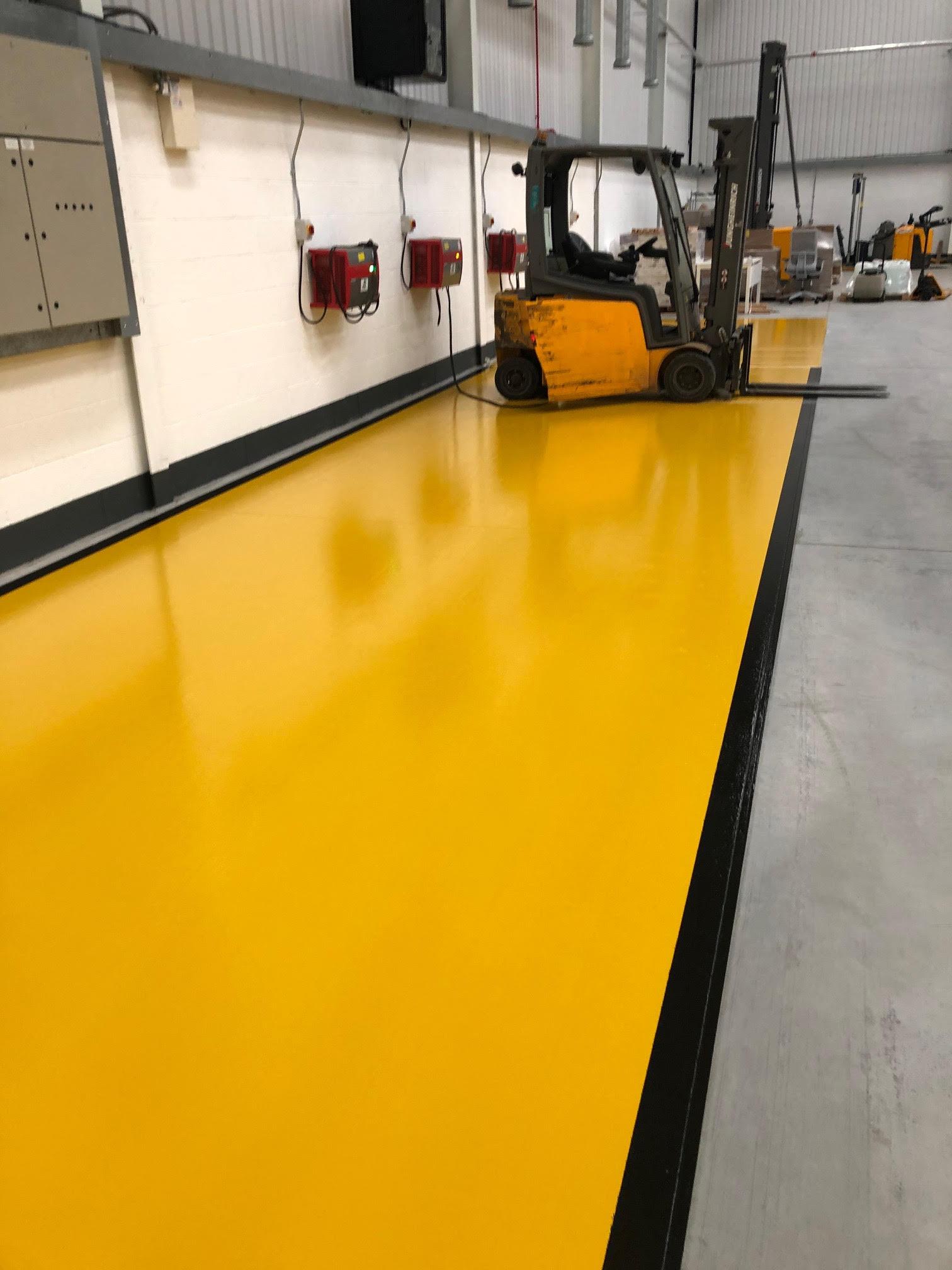
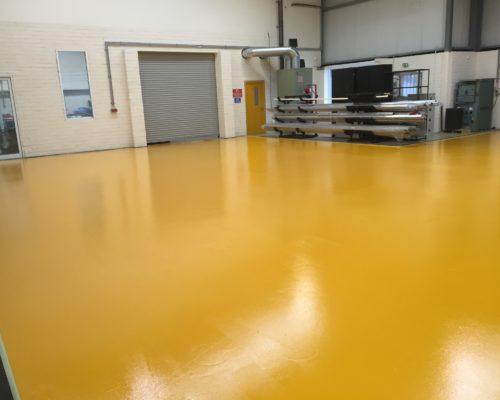
Anti Slip Flooring Installment
Client:
Tech Engineering
Location:
Bray, Ireland
Before & After
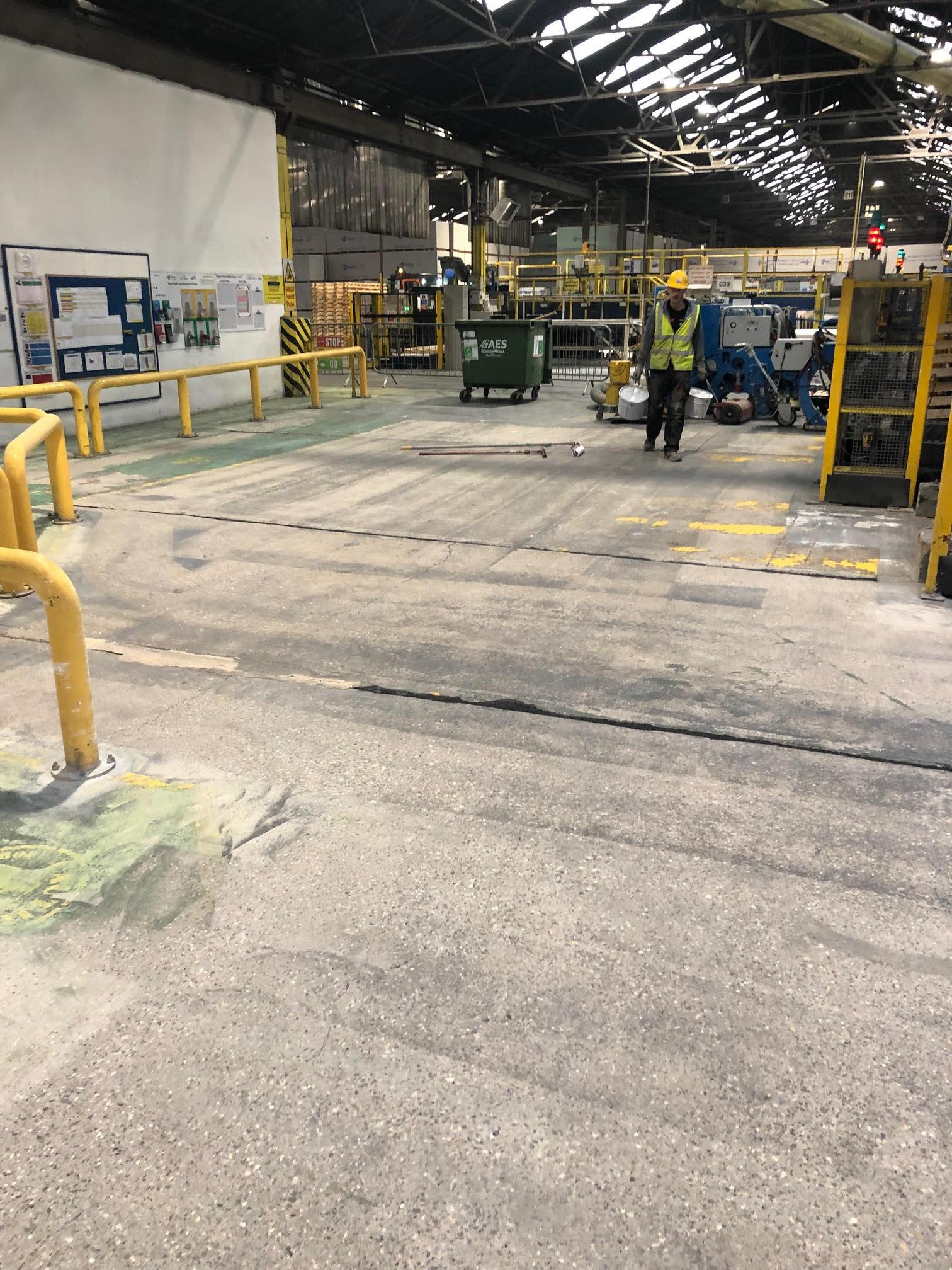
Before
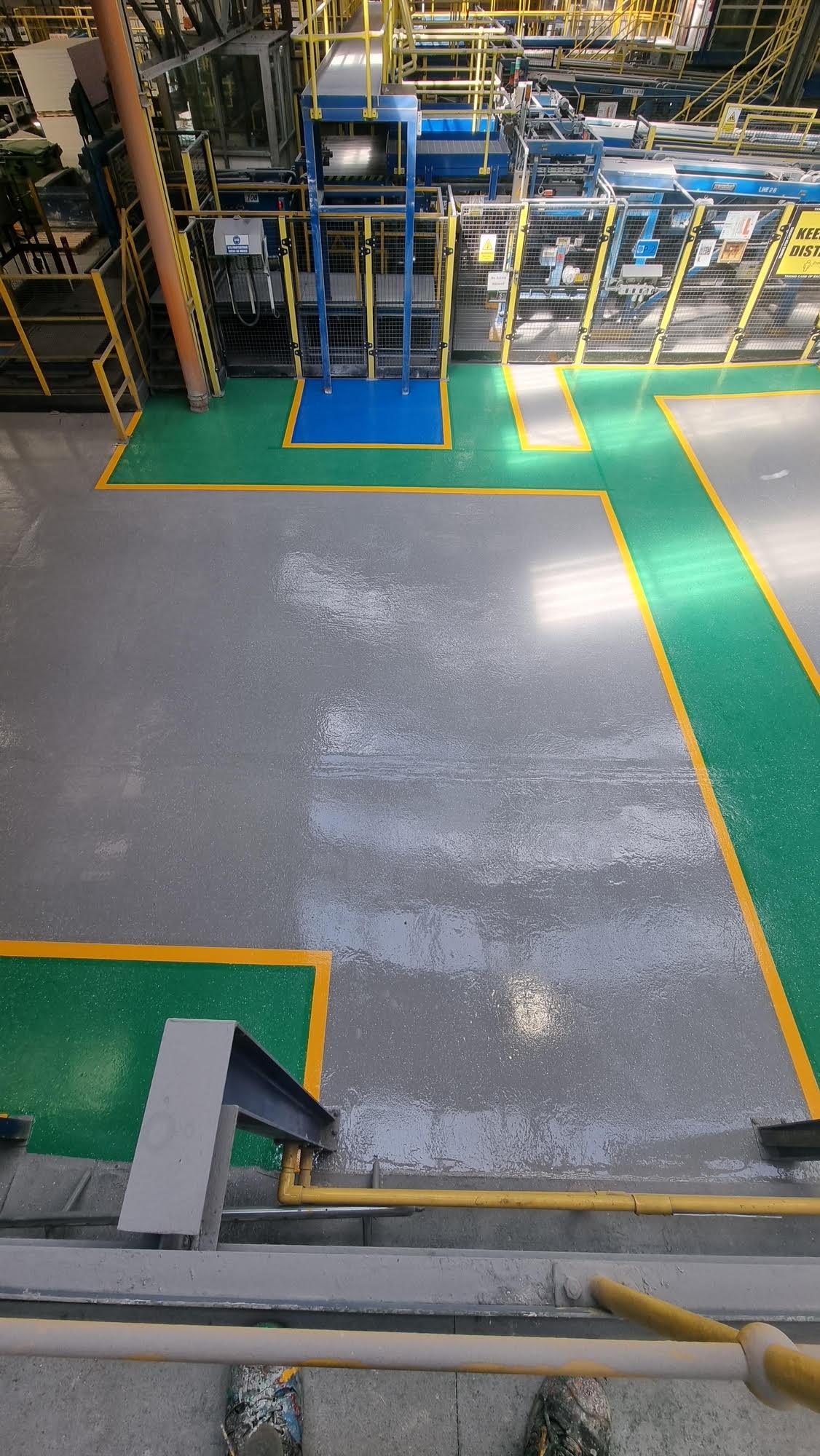
After
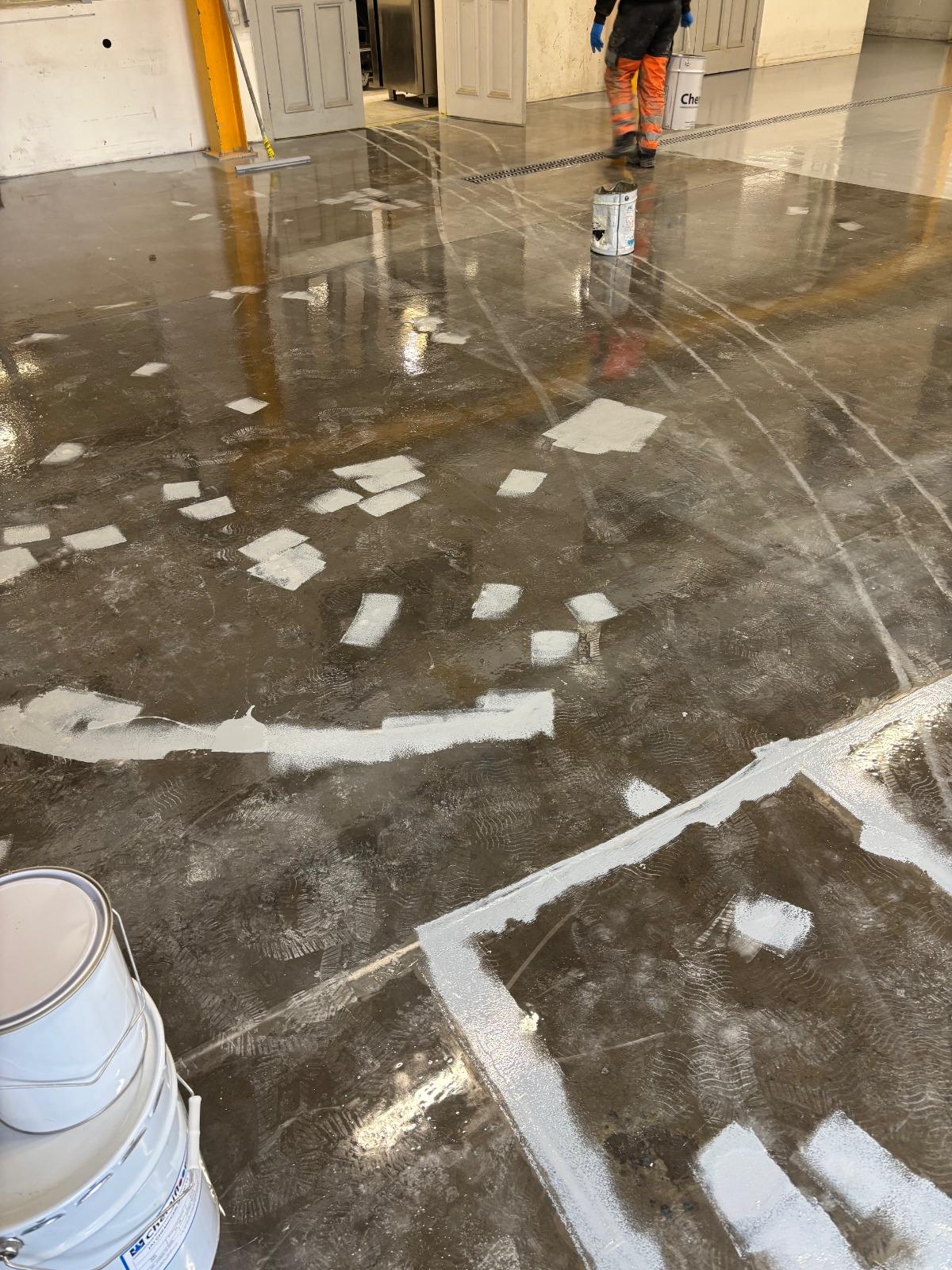
Before
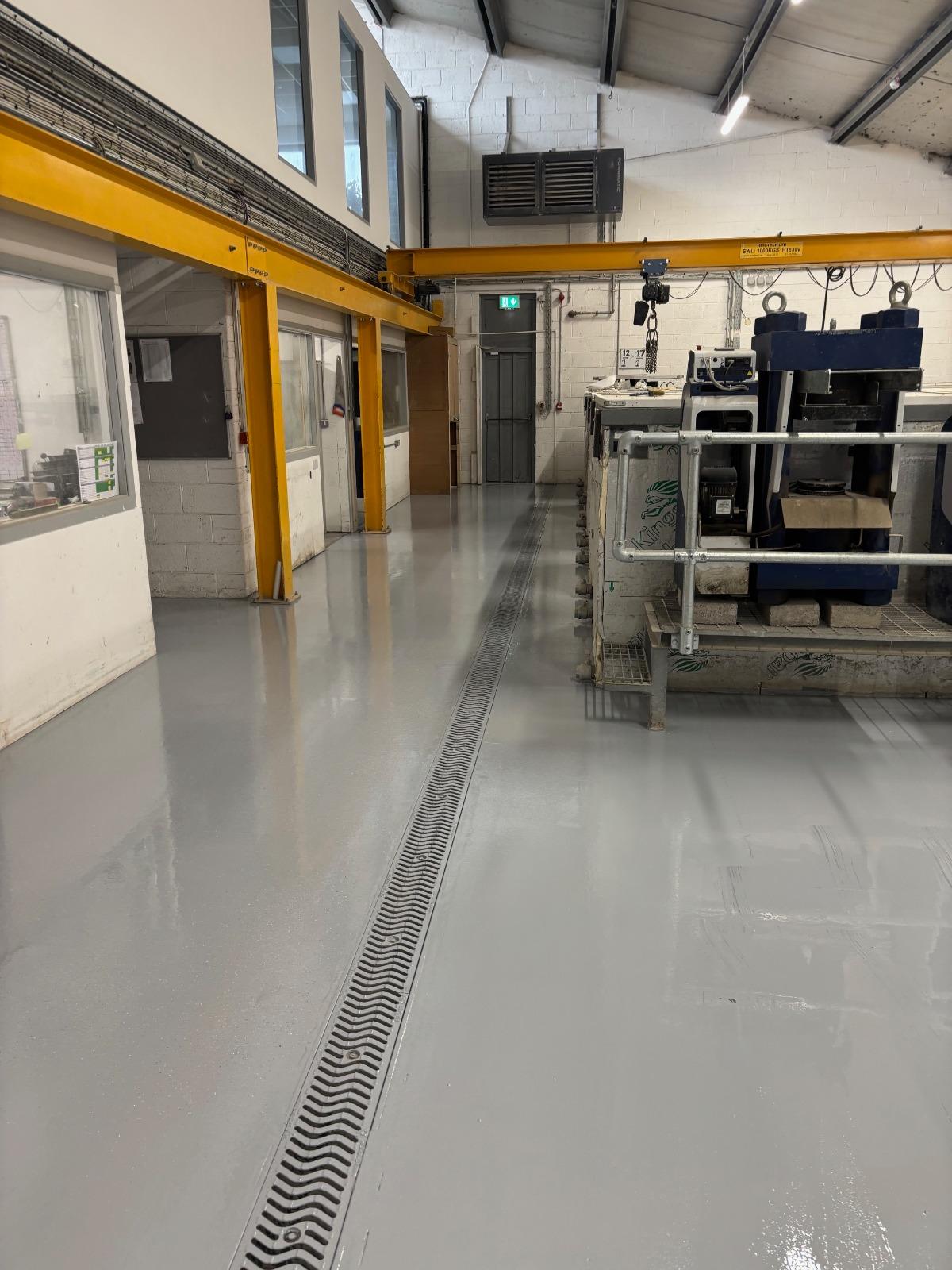
After
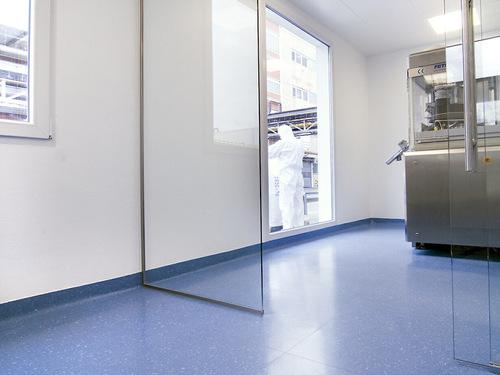
Call on 0862631652 or Office Tel 01 2314676 Email us on info@midlandsfloorpaintingco.ie