
Get a Quote
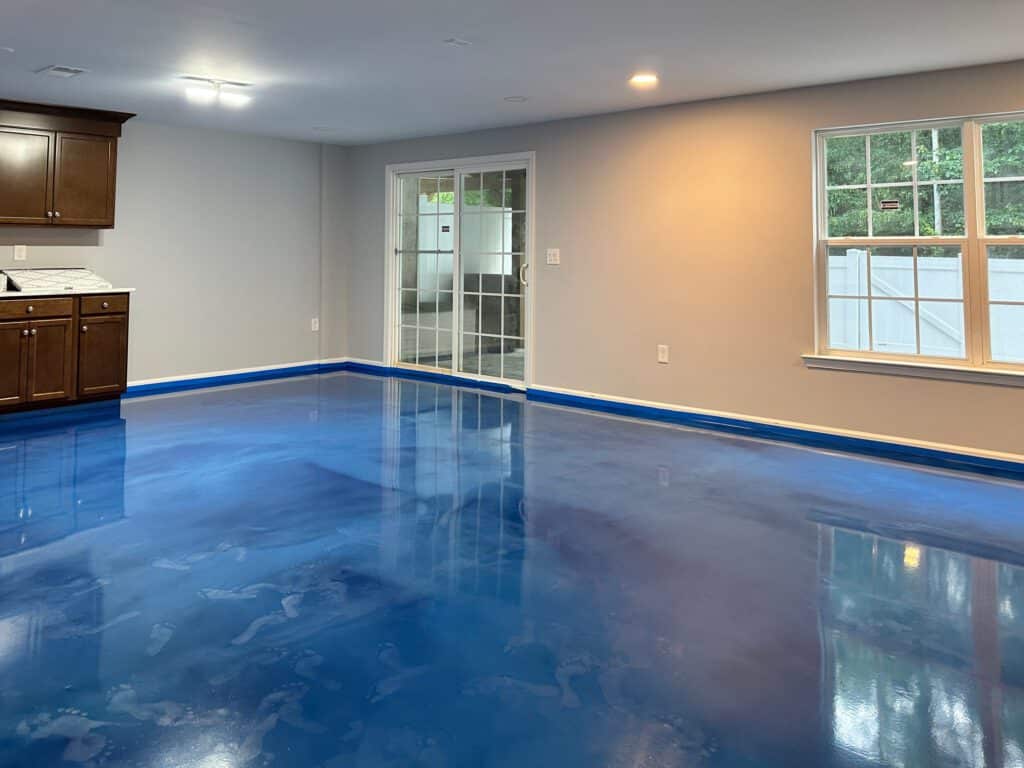
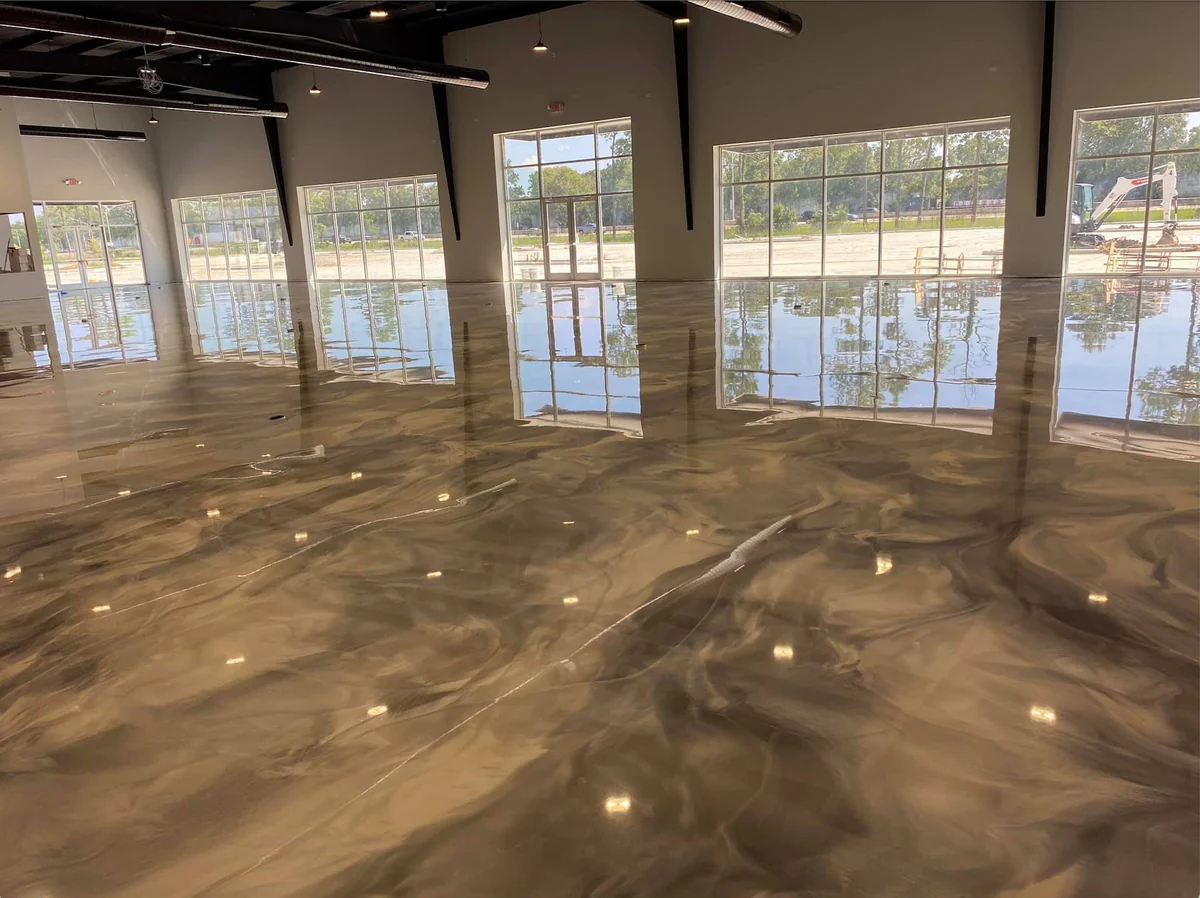
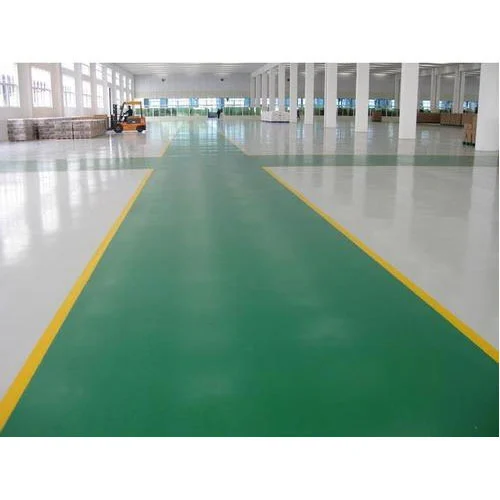
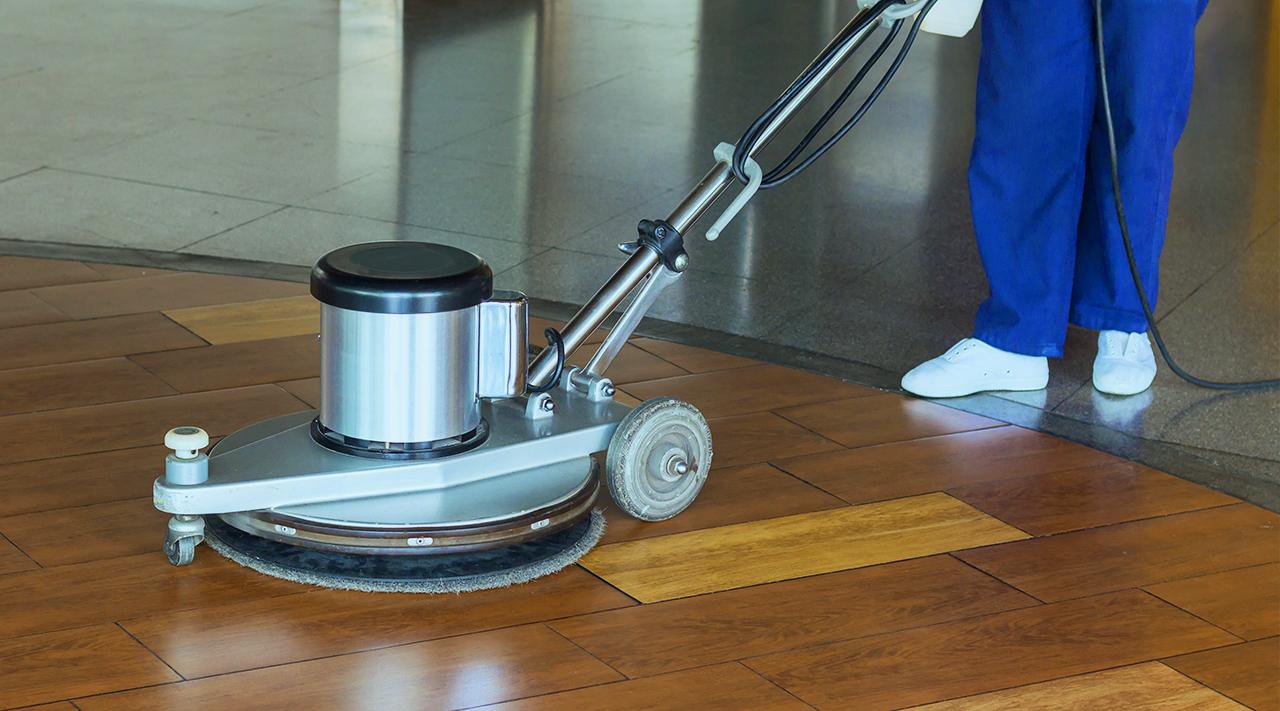
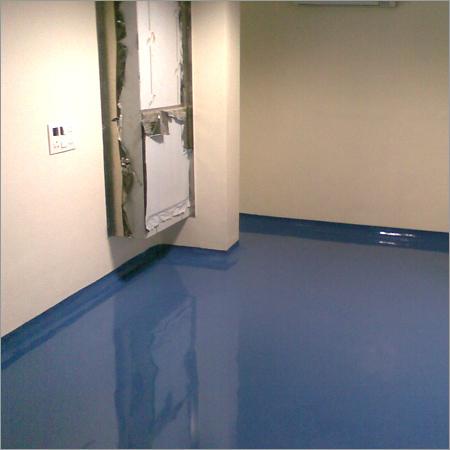
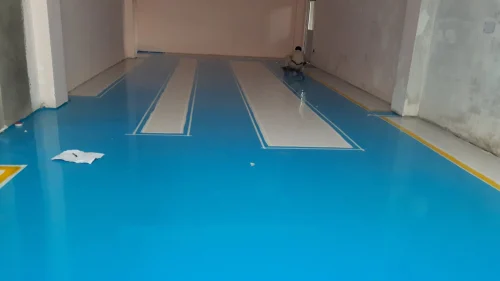
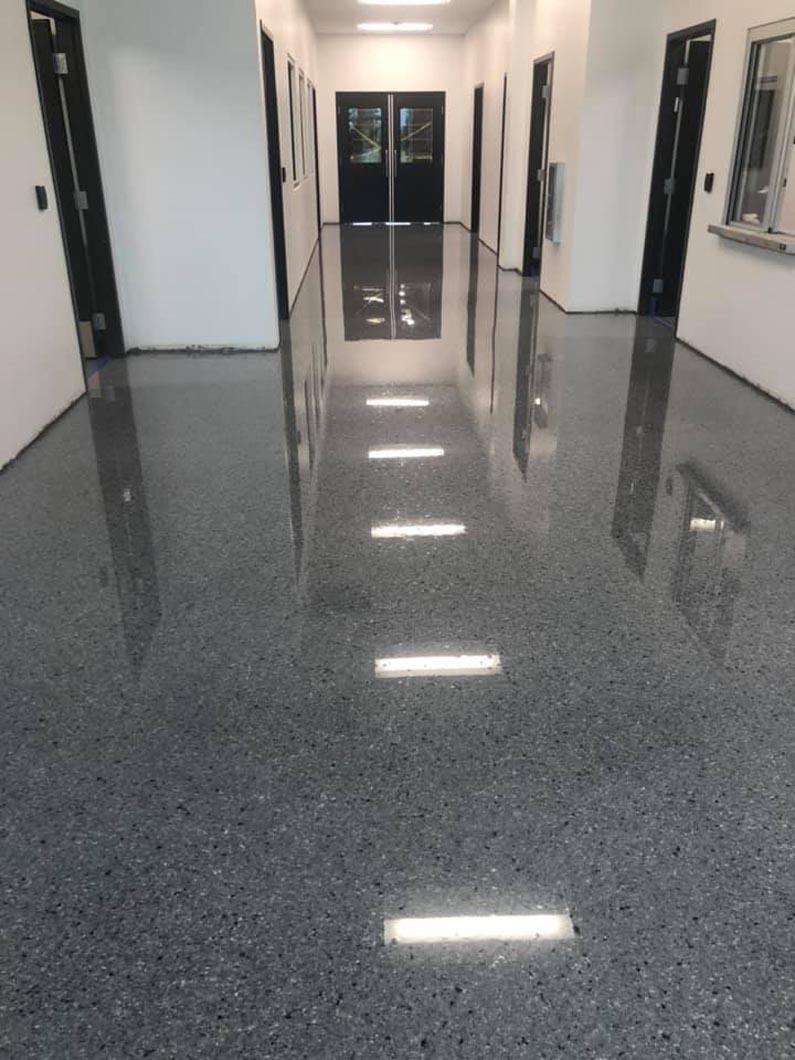

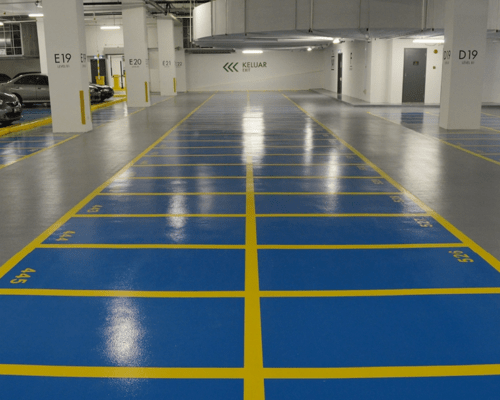
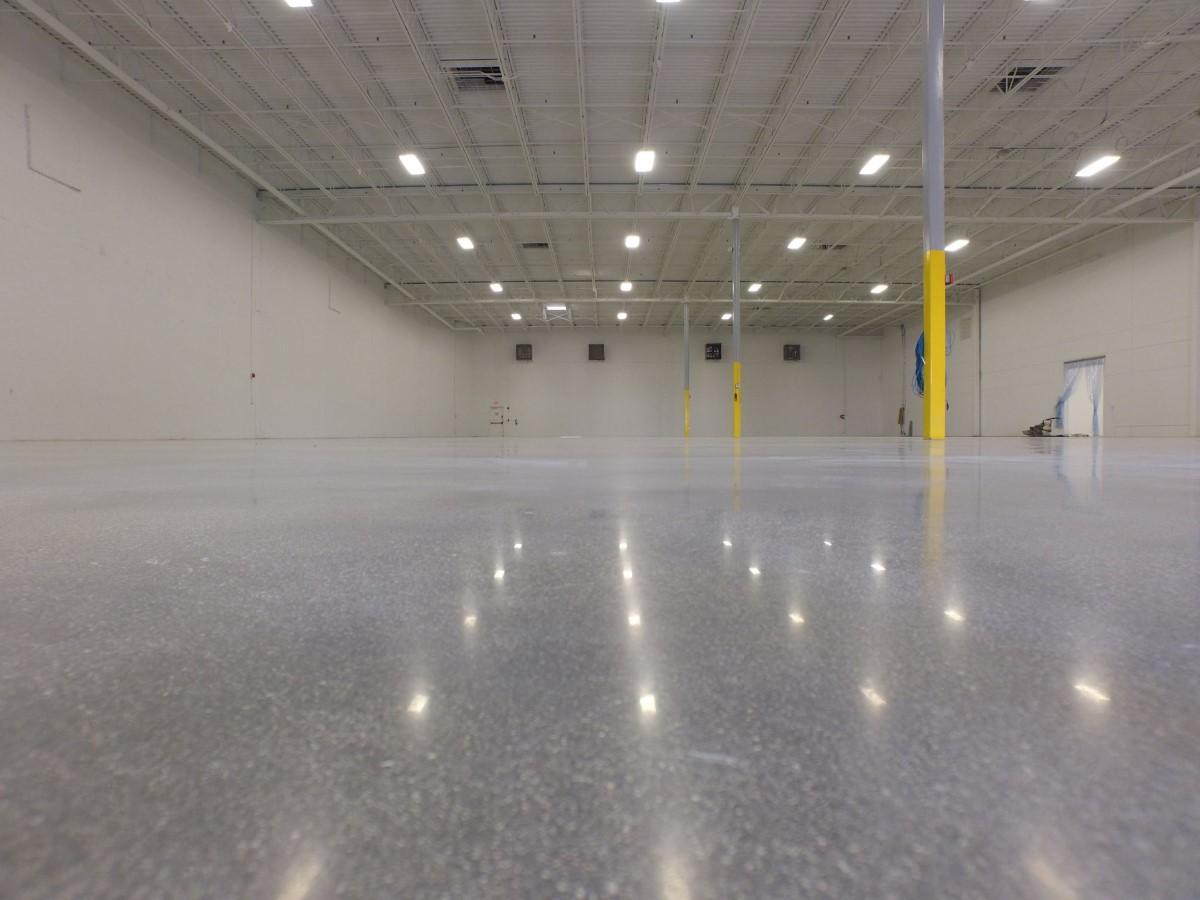
Concrete sealing in the Midlands is the option most contractors won’t lead with, because it costs a fraction of what they’d rather sell you. That’s worth saying plainly. A sound slab that’s simply porous — absorbing oil, shedding dust, staining every time something spills — usually doesn’t need a resin system at all. It needs its pores closed. Sealing does that for a few euro per square metre, takes a day or two, and puts the floor back in service the same afternoon. The uncomfortable truth is that a meaningful share of the epoxy laid in Irish warehouses went onto floors that would have performed perfectly well sealed, for a tenth of the money.
That said, sealing has real limits, and pretending otherwise would be worse advice than overselling. It won’t rebuild a broken surface, bridge a crack or survive constant chemical attack. Ron tests absorption and slab condition first, then tells you which side of that line your floor falls on. Sometimes the answer is a full system and we’ll explain exactly why. Frequently it isn’t. Warehouses, yards and workshops across Westmeath, Offaly and Dublin have taken the cheaper route on Ron’s recommendation and stayed with us for larger work since — as our customer testimonials show.
Wondering whether sealing would do the job? Call Ron on 086 2631652 for a free floor assessment.
Getting this call right is worth more than any product decision that follows.
So the honest summary is this: sealing protects and improves a sound floor. It doesn’t rescue a failing one.
Different products solve different problems, and the cost range across them is wide.
The application is straightforward. The preparation and the timing decide whether it works.
Ron carries out a water absorption test at several points, since porosity varies across a slab. He also scratch-tests the surface to gauge hardness and checks for defects that need attention first.
That ten-minute assessment tells us whether a densifier will penetrate, whether an impregnation is the better route, or whether sealing is the wrong recommendation entirely.
You get a written, itemised quote with cleaning, repairs and sealing priced separately.
Sealers can’t penetrate through dirt, oil or existing coatings. So the floor is cleaned thoroughly first.
Heavily soiled slabs go through pressure washing, and oil-stained areas are degreased separately. External slabs need algae and moss removed, since both hold moisture against the surface.
Any previous sealer, paint or curing compound has to come off. A new treatment applied over an old film simply sits on top and achieves nothing.
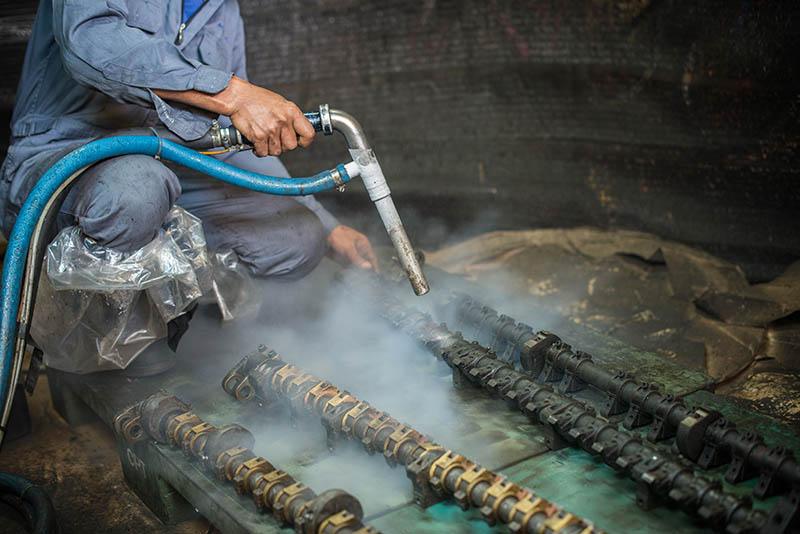
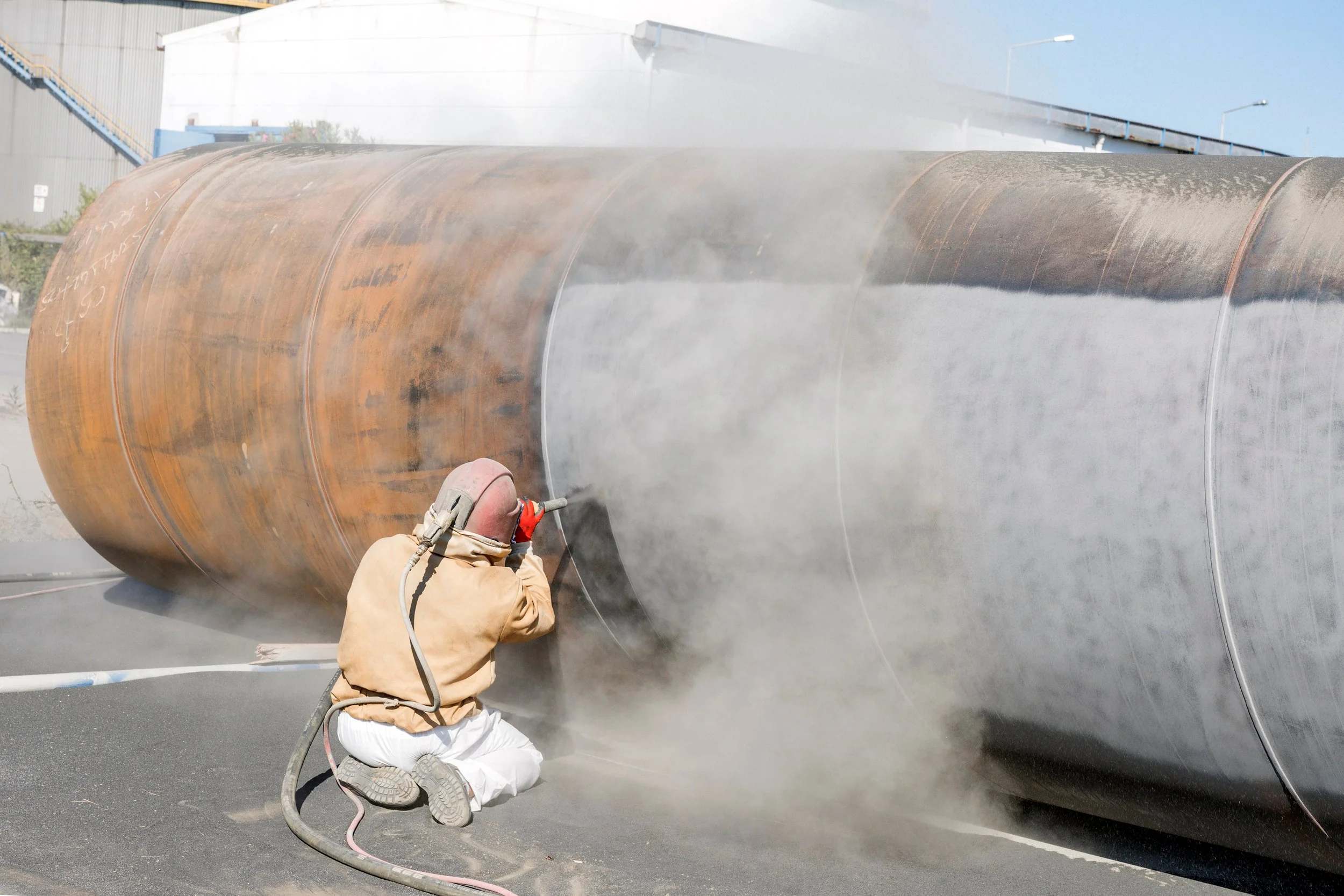
Light floor grinding removes weak laitance and opens the pores. Where thicker material is present, we use dust free shot blasting or our floor coating removal service. Everything runs through H-class extraction.
Where the slab is sound, open and clean, we skip this step and pass the saving on.
Potholes, spalling and open joints get dealt with before sealing. A sealer hardens what’s there; it won’t fill a void or bridge a gap.
Perished movement joints are reinstated through mastic floor joint repairs so water can’t track underneath.
Silicates tolerate slightly damp concrete. Silanes and film-forming sealers do not, and they need genuinely dry substrate.
For external work we plan around the forecast rather than the diary. Applying an impregnation before rain, or into a slab that hasn’t dried, wastes the material entirely.
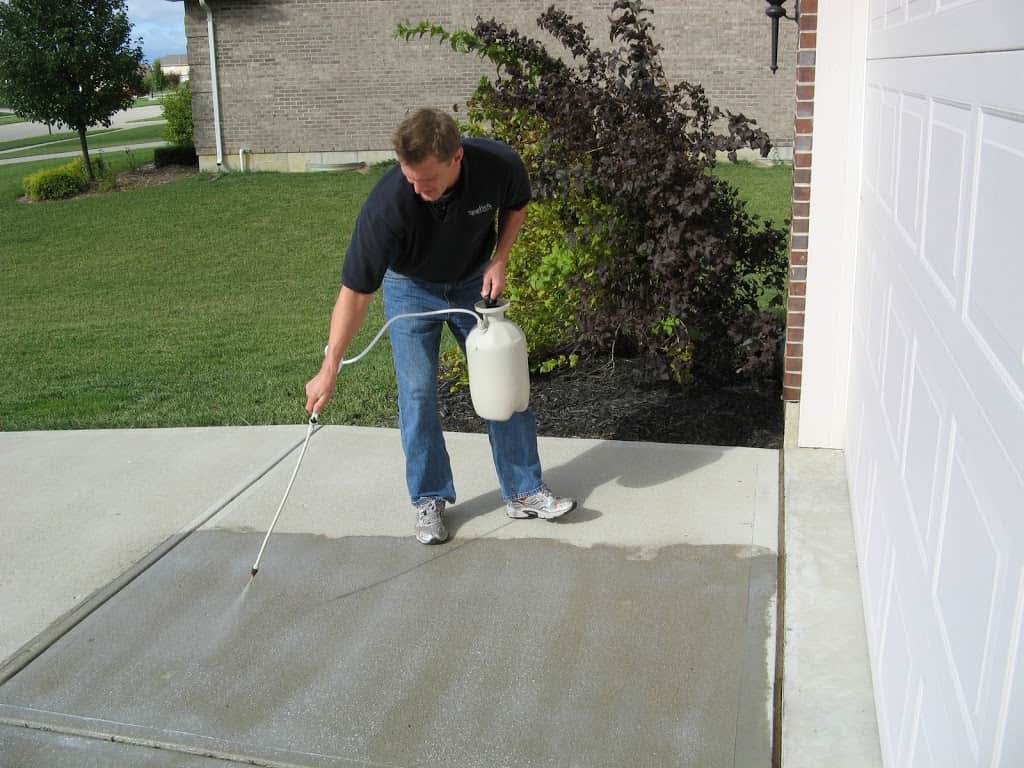
Densifiers are applied by low-pressure spray and kept wet on the surface for the specified dwell time, usually 15–30 minutes. That dwell is where the chemical reaction happens, so we work the material across the slab rather than letting it flash off.
Excess is removed before drying, since dried residue leaves a white bloom that’s tedious to shift afterwards. Porous slabs get a second application once the first has reacted.
Film-forming sealers go on in thin, even coats. Over-application causes patchiness and can reduce slip resistance noticeably.
Foot traffic typically returns within 1–2 hours and vehicle traffic within 24 hours. Silicate-treated floors continue hardening for several weeks afterwards.
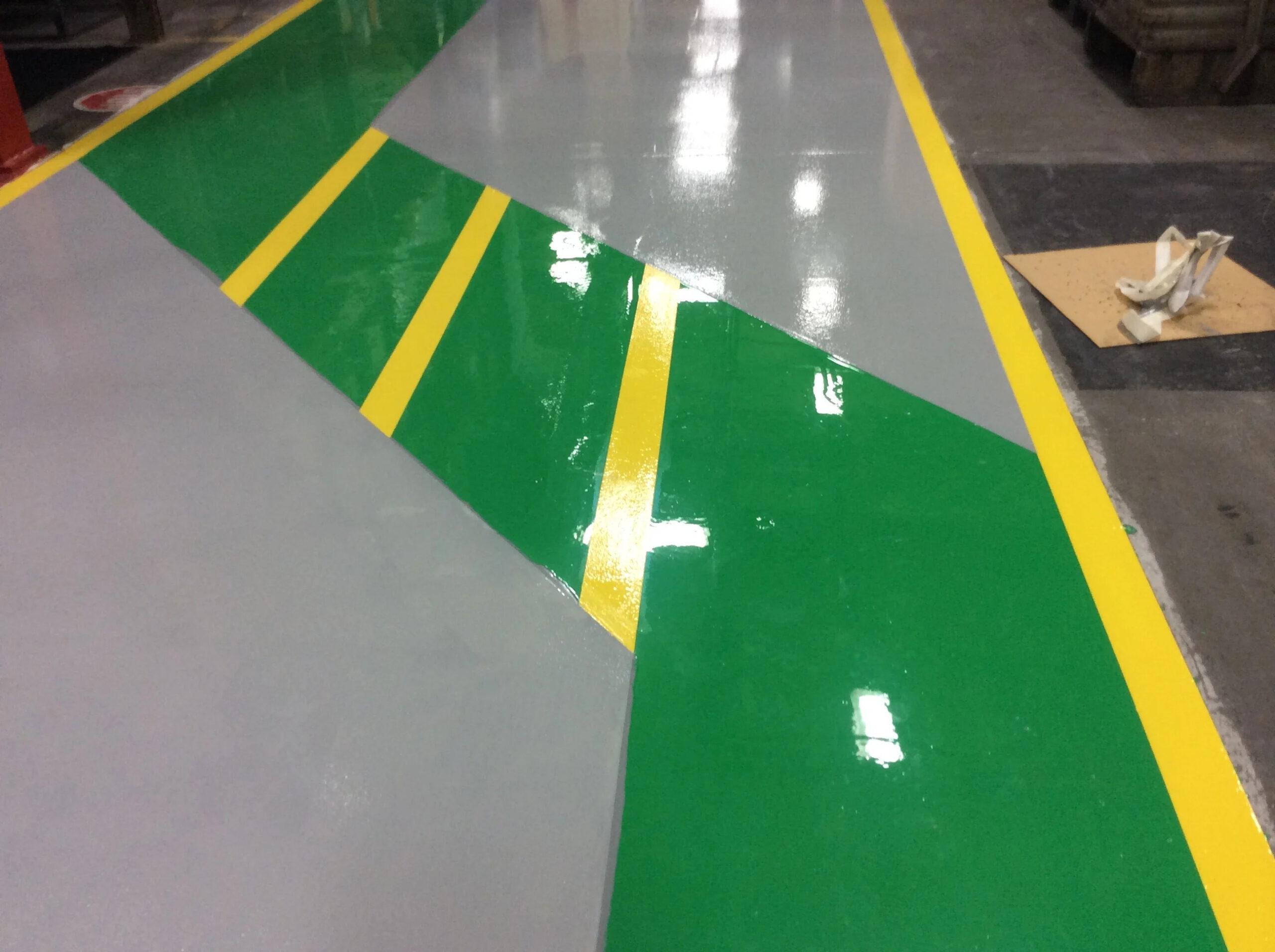
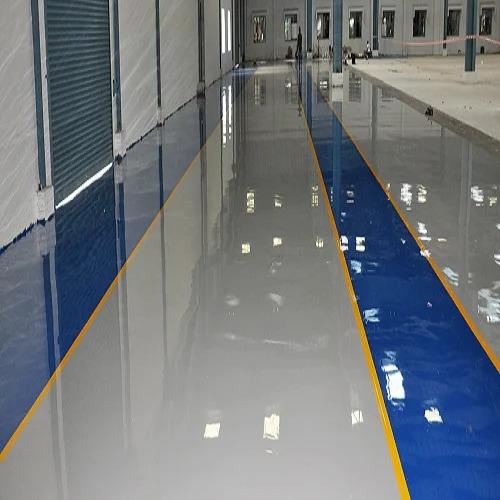
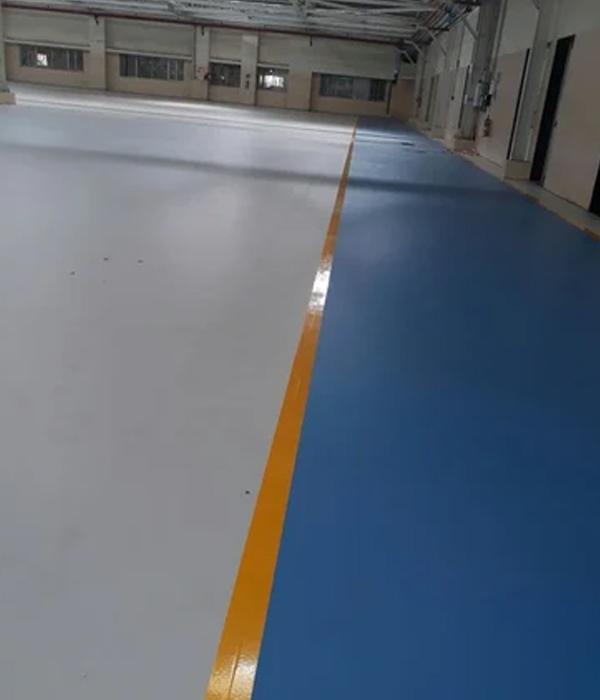
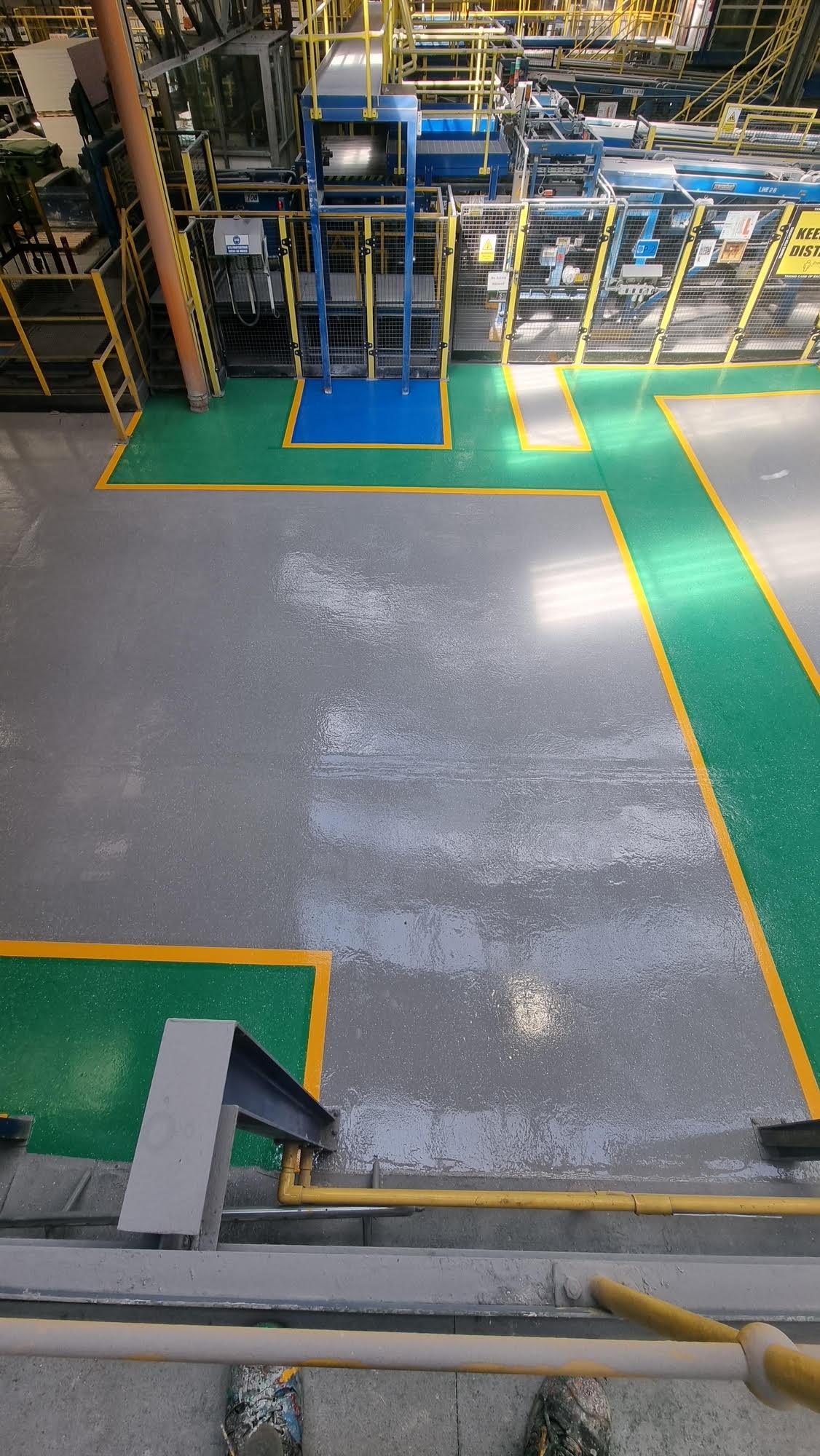
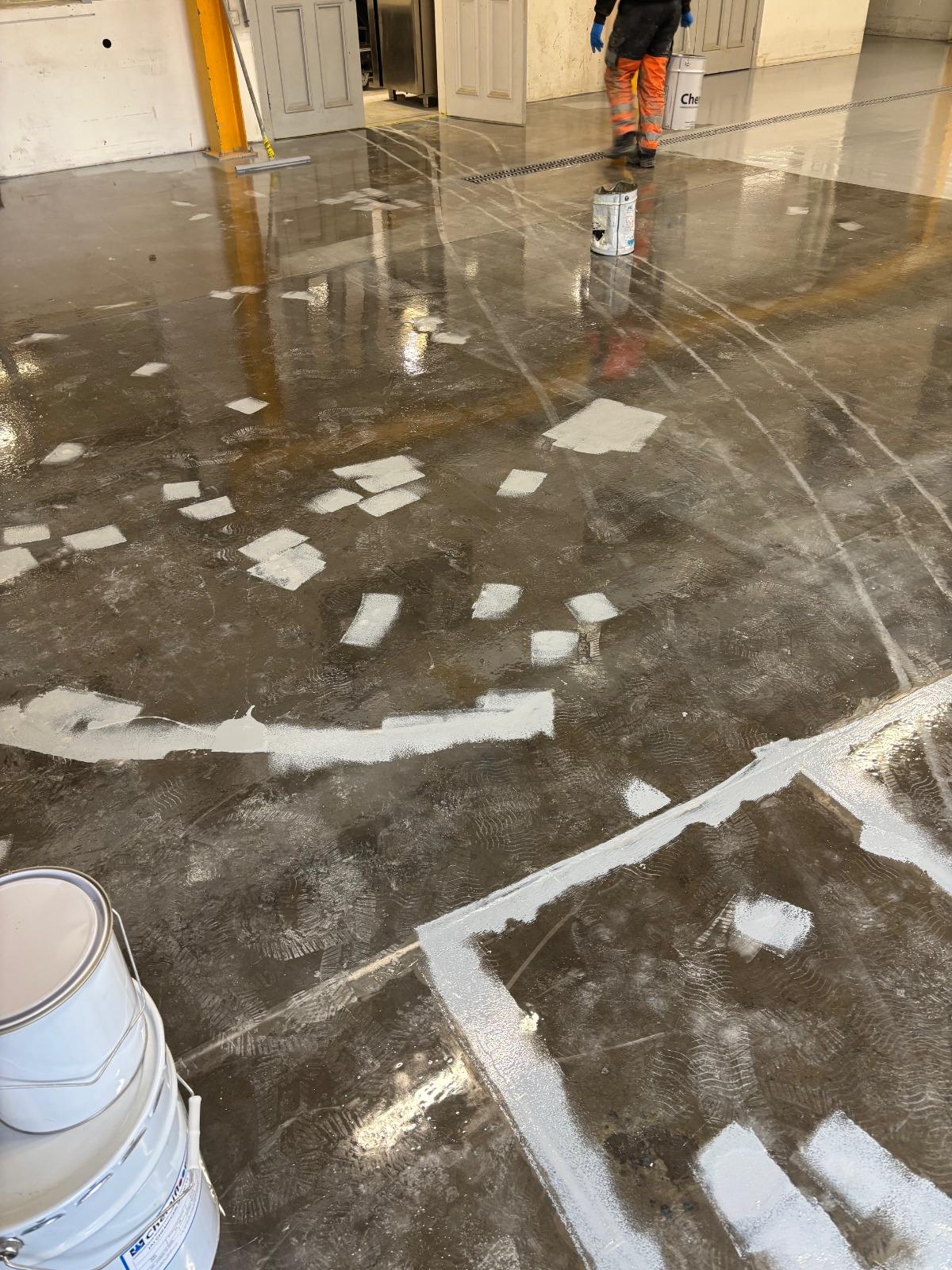
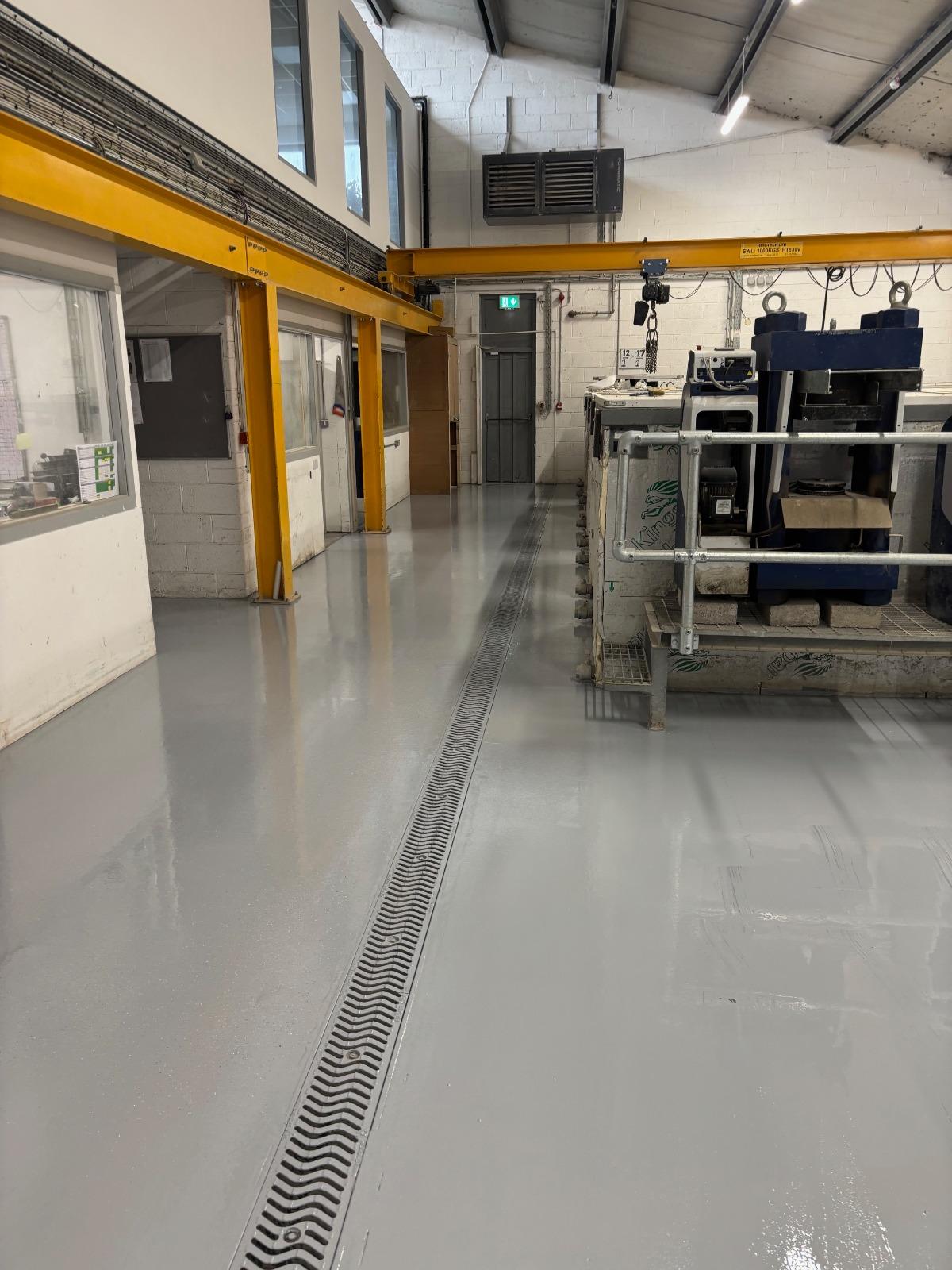
You get a treatment record, coverage rates and maintenance guidance. Where markings need refreshing, that’s a natural moment to handle it through safety line marking. See our before and after gallery for completed work.
Large slabs where per-square-metre cost dominates the decision. Sealing protects the whole floor for what coating a fraction of it would cost. Heavier traffic zones can still take a full industrial flooring build.
General floor areas around the main working zones, sealed for dust control and cleanability while the process areas get proper systems.
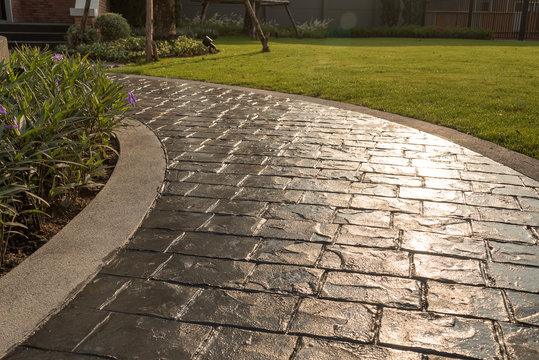
Freeze-thaw and salt exposure make silane impregnation genuinely worthwhile here, and external concrete is often ignored until it starts breaking up.
Effluent, fertiliser and washing. Sealing slows chemical attack considerably at a cost that suits farm budgets.
Oil-repellent treatments where staining is the complaint. Smaller premises often prefer this to full garage floor painting.
Areas that need to be clean and dust-free but don’t justify a decorative finish. Fast treatment between trading hours.
Damp, dusty and rarely maintained. Sealing improves both without any meaningful disruption.
We deliver concrete sealing in the Midlands across Athlone, Mullingar, Tullamore, Portlaoise, Longford Town, Birr and Roscommon Town, with full Dublin and nationwide coverage from our Dublin 3 base.
Sealing often sits alongside other work. Dusting slabs are addressed directly through dust proofing, while car park decks need the specific protection covered under car park sealing. Where a harder, brighter finish is wanted, concrete floor polishing builds on the same densifying chemistry. Preparation runs through floor preparation and diamond grinding where the surface is closed or contaminated. If your floor turns out to need more than a sealer, industrial floor painting is usually the next step up. Unsure which applies? Book a floor inspection and repair visit.
Unsealed concrete absorbs everything you put on it, and none of it comes back out. Oil soaks in and stains permanently. Water gets in, freezes and breaks the surface apart. Fines wear off into your air, your machinery and your stock, and the slab gets a little thinner every year. None of that appears as a bill — it just quietly raises your cleaning costs and shortens the life of a floor you’ve already paid for.
Concrete sealing in the Midlands, delivered by Ron and the crew, is tested first and specified honestly. The survey is free. The quote is written and itemised. Most floors are treated and back in full use the next day.
Call Ron: 086 2631652 — direct line, straight answers
Call Office: 014800555 — Sun–Fri, 09:30–17:30
Email: info@midlandsfloorpaintingco.ie
Or send your details through our contact page and we’ll come back to you the same working day, with no obligation.
Fill in your details and we'll get back to you within 24 hours.
Our Clients






Case Studies
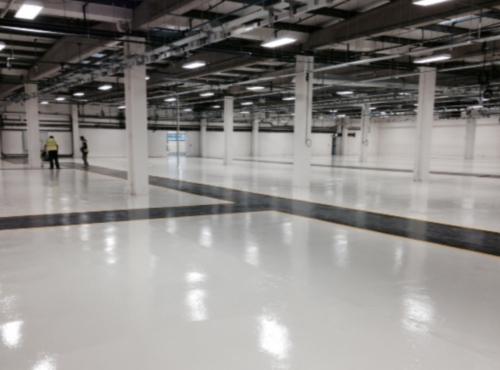
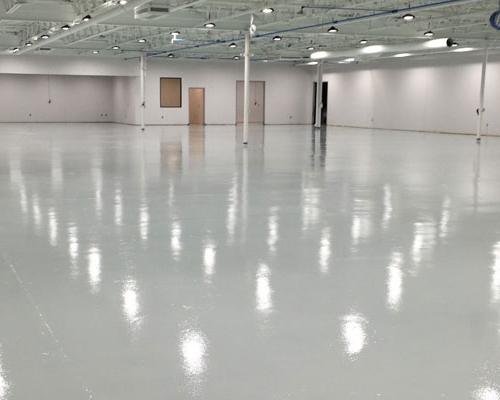
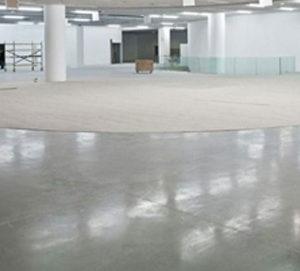
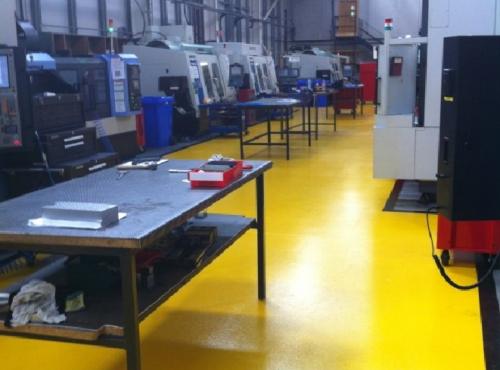
Healthcare Manufacture Plant
Client:
Trulife International
Location:
Airton Rd, Dublin, Ireland
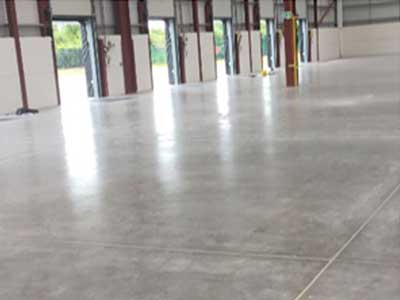
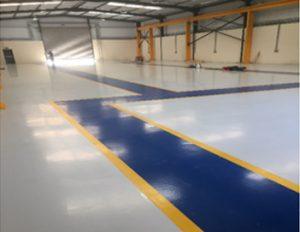
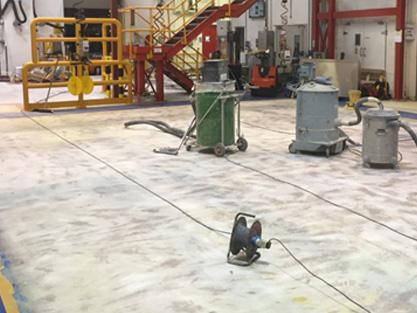
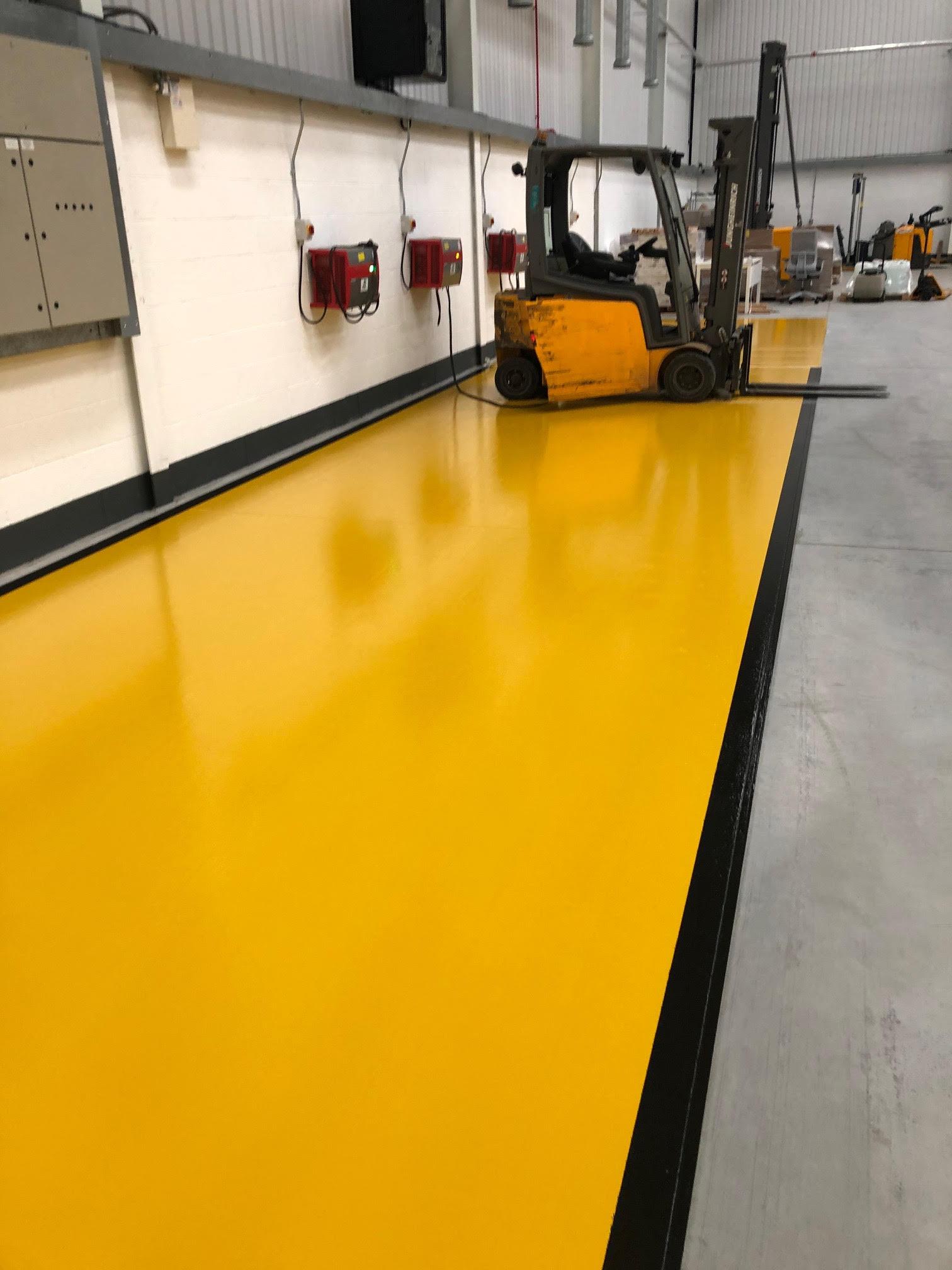
Old Concrete Refurbishment
Client:
Pressco Engineering
Location:
Dublin, Ireland
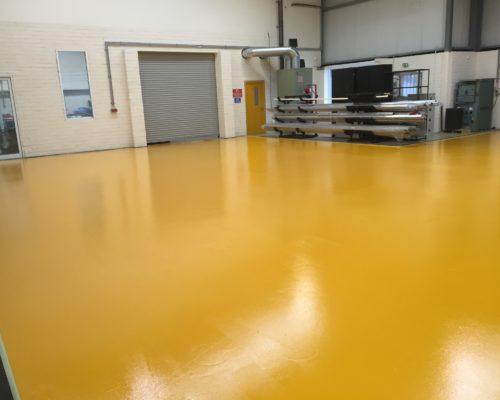
Anti Slip Flooring Installment
Client:
Tech Engineering
Location:
Bray, Ireland
Before & After
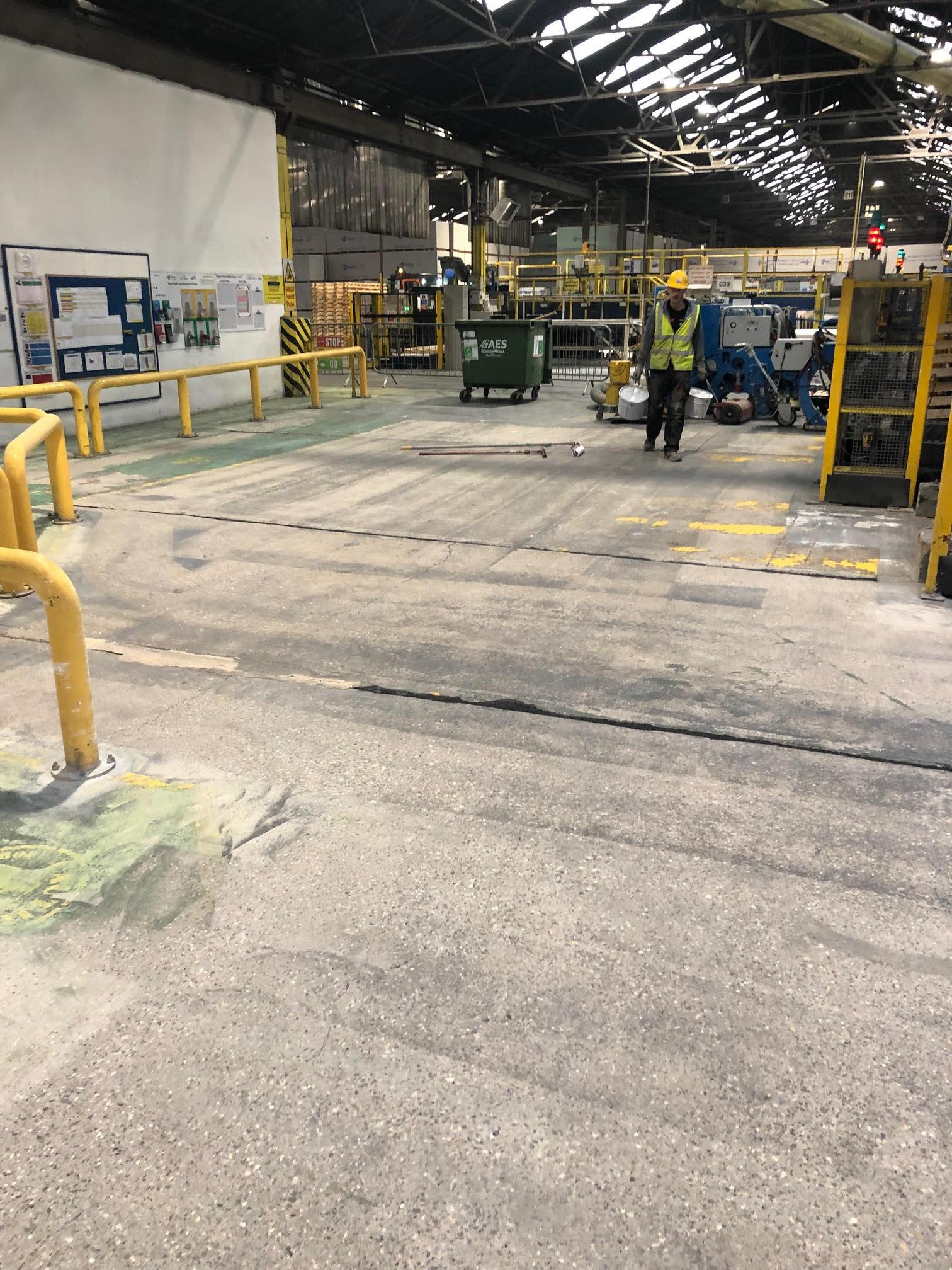
Before
After
Before
After
Recent Projects
Call on 0862631652 or Office Tel 01 2314676 Email us on info@midlandsfloorpaintingco.ie